
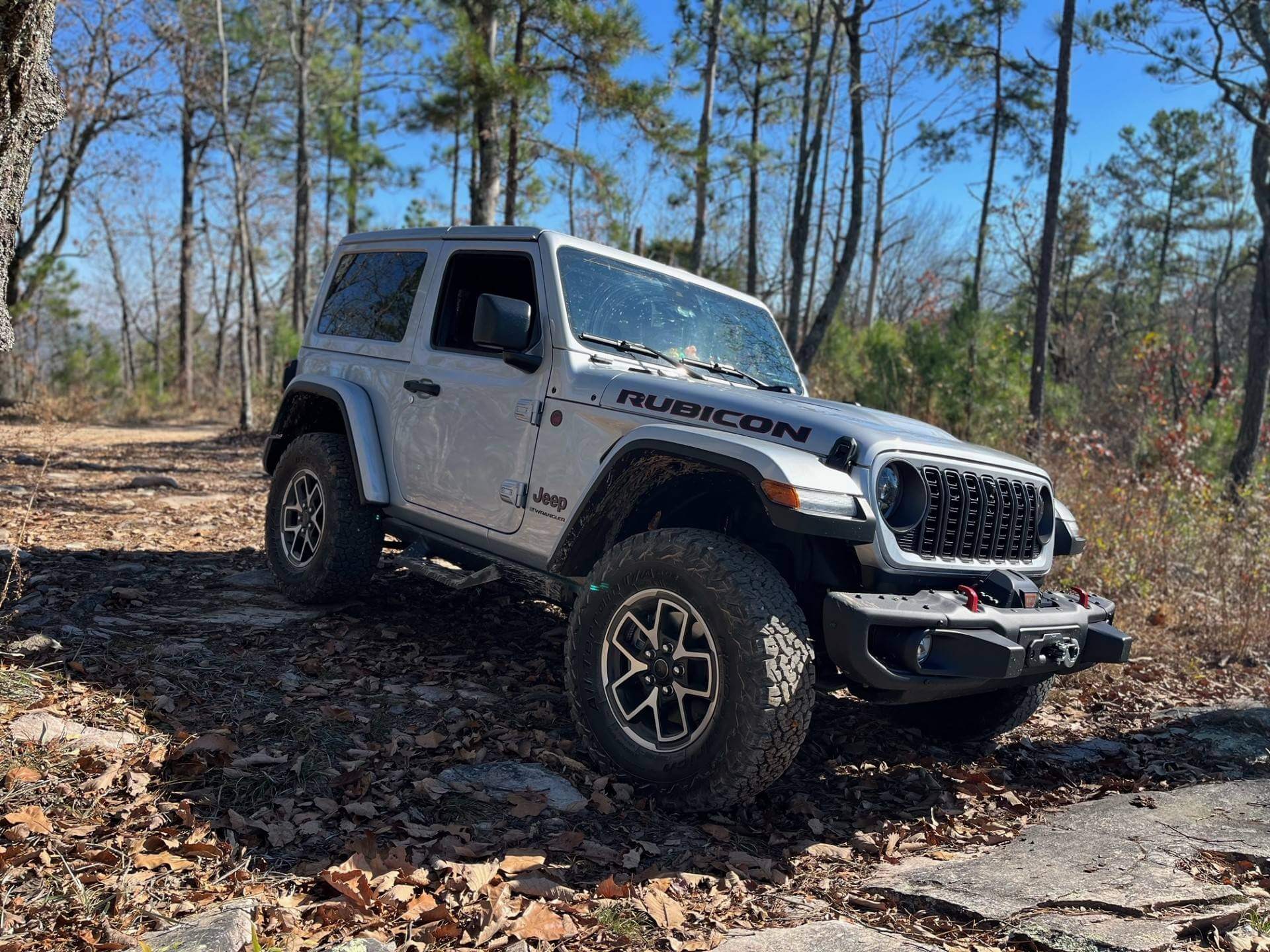
Off-roading is an exhilarating way to explore the great outdoors, but as a beginner, preparation is key. Many first-time off-roaders make the mistake of heading out without the proper gear, which can quickly turn an adventure into a frustrating or even dangerous experience.

Based on my own experiences with off-roading and my work with Virginia Off-Road, here are the top five things every newbie should bring on their first few outings and why each one is essential.
1. Recovery Gear (Tow Straps, D-Rings, and a Shovel)
Even the most experienced off-roaders get stuck from time to time. As a beginner, you may not yet know how to properly read the terrain or anticipate trouble spots, so recovery gear is a must.
A good tow strap and D-rings allow another vehicle to help pull you out if needed, and a shovel can be invaluable for digging out tires that are stuck in sand, mud, or snow.
I’ve seen many beginners get stuck in the simplest of situations—sometimes just slightly off-camber in soft ground—but having the right tools makes all the difference in getting back on the trail quickly.
2. Tire Deflators and an Air Compressor
Lowering your tire pressure increases traction, giving your vehicle a better grip on the terrain. However, after the fun is over, you’ll need to reinflate your tires before getting back on the highway. A set of automatic tire deflators makes airing down quick and consistent, while an air compressor ensures you can safely drive home without damaging your tires. I once had to help a fellow newbie who aired down manually but didn’t have a compressor—driving miles on low-pressure tires can damage them and make highway driving dangerous.
3. A Reliable Navigation System (GPS or Offline Maps)
Many off-road trails are in remote areas where cell service is nonexistent. Relying solely on Google Maps can leave you lost with no way to find your way back. A dedicated off-road GPS unit or offline-capable mapping apps like Gaia GPS or OnX Offroad ensure you can navigate even when your phone has no signal. In my early days of off-roading, I ventured onto a new trail assuming I’d have service, only to lose my way for hours. Lesson learned: always download maps in advance.
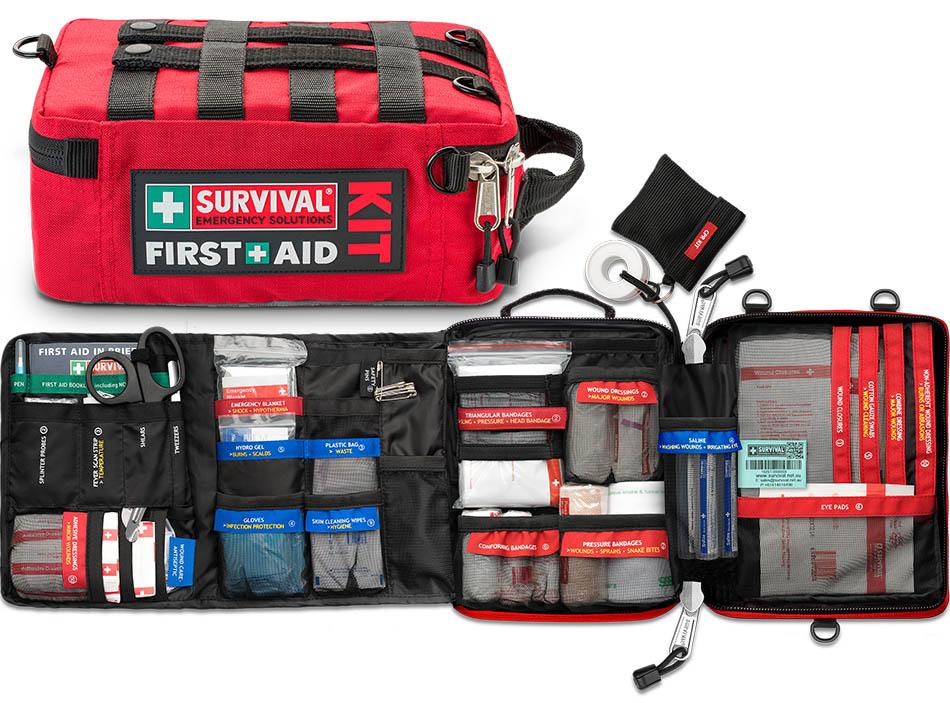
4. First Aid Kit and Emergency Supplies
Off-roading isn’t just about your vehicle—it’s also about your safety. A basic first aid kit should include bandages, antiseptic wipes, tweezers, and any necessary medications. Additionally, bring plenty of water, snacks, a flashlight, and a fire-starting kit in case you end up stranded longer than expected.
I’ve encountered fellow off-roaders who suffered minor injuries from trail-side vehicle repairs or unexpected obstacles—having a well-stocked first aid kit can make a big difference in how you handle these situations.
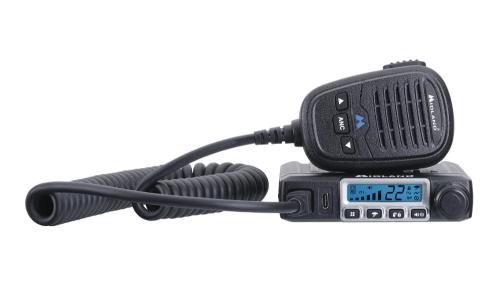
5. A Radio or Communication Device
Many off-road areas lack reliable cell service, making communication crucial. A GMRS, CB, or ham radio allows you to stay in touch with your group or call for help if needed.
When I first started off-roading in the late 1990’s, I relied on my phone for communication—big mistake. Without a radio, coordinating with other drivers becomes nearly impossible, especially in areas with multiple routes and obstacles.
Final Thoughts
Off-roading is an incredible hobby, but it requires the right preparation to be both fun and safe. These five essentials—recovery gear, tire management tools, navigation systems, first aid kits, and communication devices—will help ensure your off-road experience is smooth and enjoyable.
With these items in your rig, you’ll be better equipped to handle challenges and focus on what really matters: the adventure itself.
So before you hit the trails, double-check your gear and be ready for whatever the off-road world throws your way!

No responses yet