
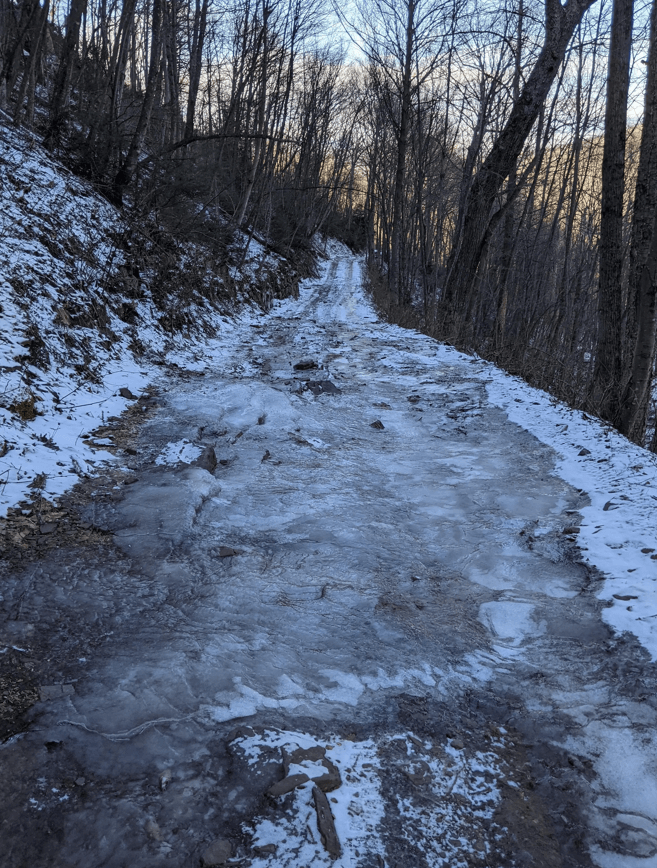
Winter has a way of changing everything in Virginia’s mountains. Familiar ridgelines soften under fresh snow, forests grow quiet, and trailheads that are normally busy sit empty. For off-roaders, that silence can feel inviting—almost like an open invitation to explore without crowds. But winter wheeling in Virginia is rarely as peaceful as it looks. Beneath the beauty lies a set of conditions that can turn even mild trails into hazardous terrain, where traction disappears, recovery options vanish, and a single mistake can escalate quickly.
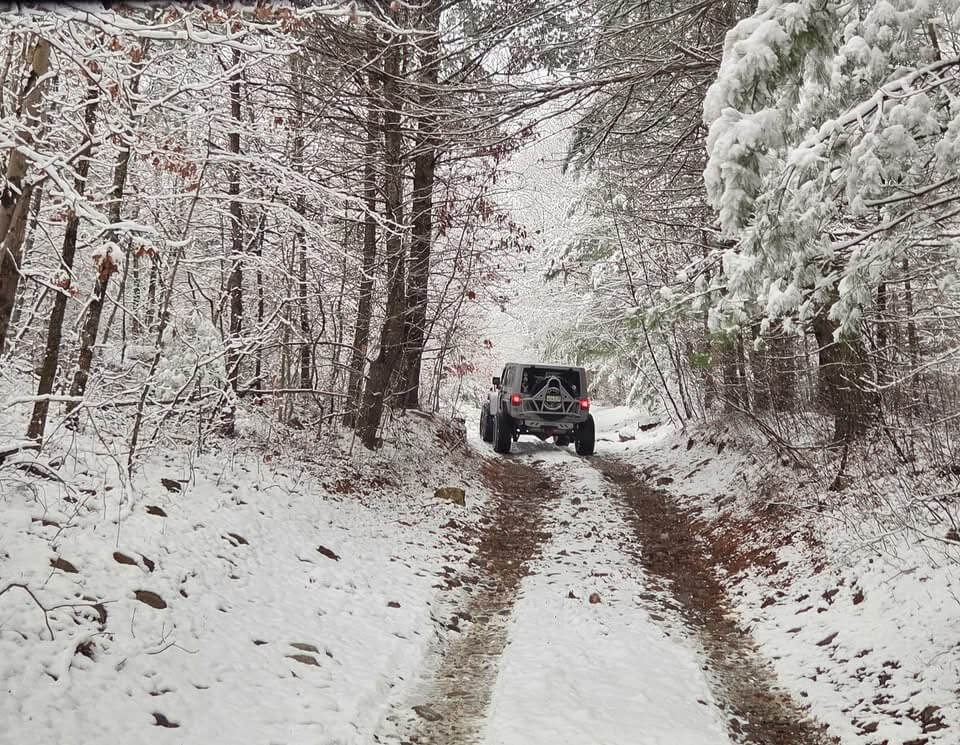
At Virginia Off-Road (VAOR), education and responsible trail use are at the core of our mission. Winter is one of the seasons where those values matter most. Many of Virginia’s trails freeze, thaw, and refreeze in ways that are not always visible from behind the wheel. Ice forms where you least expect it, mud hardens into unforgiving ruts, and elevation changes can trap snow and cold long after surrounding areas have warmed. While some off-roaders see winter as a badge of toughness, the reality is that restraint during these months often protects not only people and vehicles, but also the long-term health of the trails themselves.
Virginia’s winter trail hazards are shaped by geography. Much of our off-road network winds through higher elevations, shaded hollows, and north-facing slopes, especially within the George Washington and Jefferson National Forests. These areas receive limited direct sunlight during winter months, allowing snow and ice to linger far longer than many drivers expect. A trail that appears merely wet or slushy during the afternoon can refreeze overnight into smooth, glassy ice. The freeze-thaw cycle—common throughout Virginia winters—is particularly dangerous because it creates surfaces that look manageable but offer almost no traction.
Water plays an equally important role. Many Virginia trails cross natural seeps, springs, and shallow streams. In winter, slow-moving water spreads across packed dirt and exposed rock, freezing into thin sheets of ice that are nearly invisible until your tires begin to slide. Unlike mud, which may eventually allow tires to bite, ice offers no forgiveness. Lockers, airing down, and aggressive tread patterns provide little help when rubber meets frozen rock.
Some trails are especially prone to winter hazards. Routes such as Peters Mill Run, Taskers Gap, and South Pedlar Trail are well known within the Virginia off-road community for becoming slick, rutted, or unstable during cold months. Even when these trails are technically open, winter conditions can make them unpredictable. Shaded sections hold ice, compacted snow turns into polished surfaces, and frozen mud creates ruts that deepen rapidly once temperatures rise. Driving these trails during freeze-thaw cycles not only increases the risk of getting stuck or sliding off line, but also contributes to trail damage that can lead to closures later in the year.
Yet among all of Virginia’s winter routes, few demand as much caution as the path from Switzer Lake Trail to Flagpole Knob. In fair weather, this trail is a favorite for its scenery and challenge. In winter, it can become one of the most dangerous off-road experiences in the state. The route combines steep climbs and descents, exposed shelf roads, rocky surfaces, and high elevation—all ingredients that amplify the dangers of ice.
When ice forms on the Switzer-to-Flagpole route, traction becomes unreliable at best. Vehicles may struggle to climb, but the greater danger often lies in descending. Braking on ice is unpredictable, and even slow speeds can lead to sliding. On sections with exposure, a sideways slide can quickly turn serious. Unlike muddy trails where momentum can sometimes carry you through, ice removes that margin for error. Gravity takes over, and once a vehicle starts moving in the wrong direction, regaining control can be impossible.
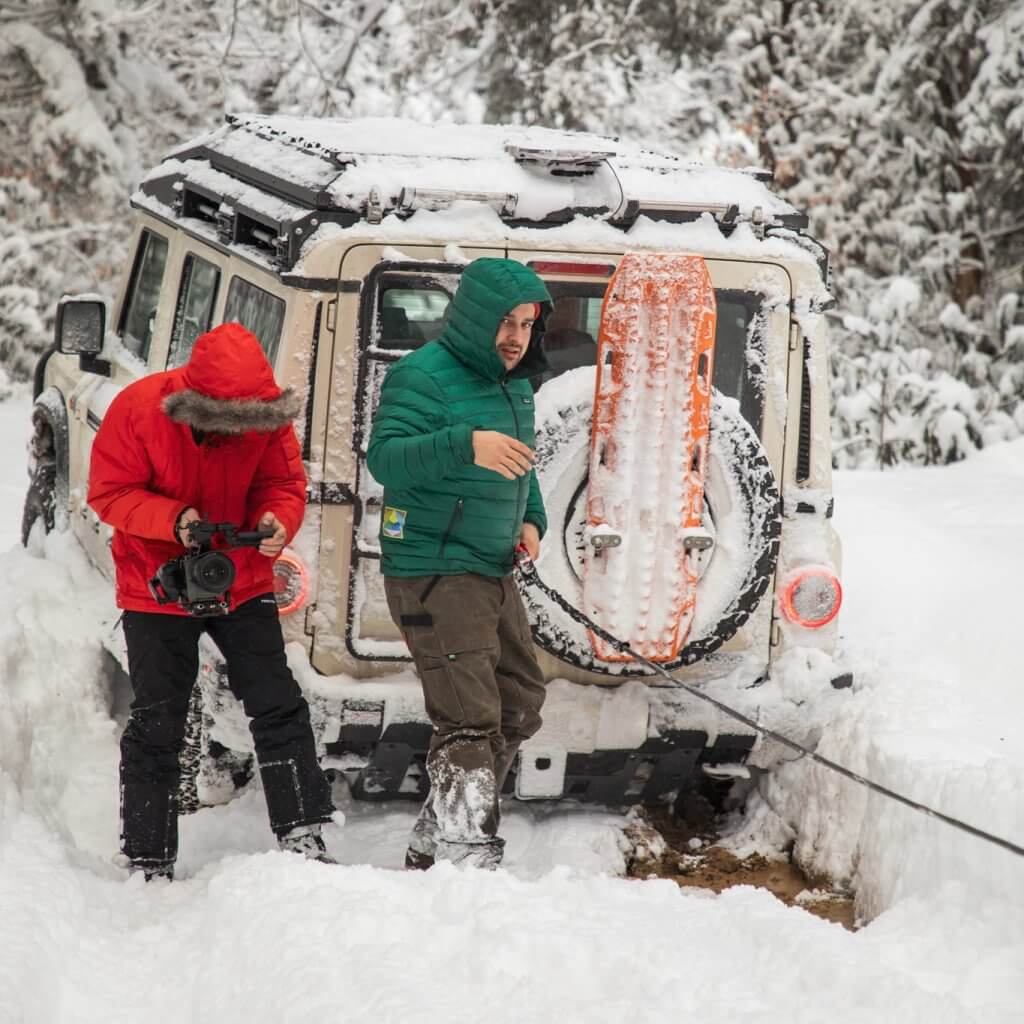
Recovery on this trail in winter is another major concern. Winch anchors may be limited or coated in ice, snow banks reduce safe working space, and weather can change rapidly at elevation. What might be a straightforward recovery in summer can become an all-day—or overnight—ordeal in freezing temperatures. In the worst cases, self-recovery may not be possible at all, placing drivers and passengers at risk of hypothermia while waiting for help. These are not theoretical concerns; they are real scenarios that have played out on winter trails across Virginia.
Because of these risks, VAOR strongly encourages off-roaders to avoid icy trails whenever possible. Safety is the most obvious reason, but it is not the only one. Winter trail damage has lasting consequences. Frozen ground may seem durable, but once temperatures rise, the ruts and churned surfaces left behind can erode rapidly. This damage accelerates closures, increases maintenance needs, and threatens long-term access for everyone. Choosing to stay off vulnerable trails during winter is one of the most effective ways to practice stewardship.
There is also the simple reality that winter conditions can remove your ability to turn around. Snow drifts, icy shelves, and narrow mountain roads can trap vehicles far sooner than expected. A decision that felt reasonable at the trailhead can become irreversible just a mile in. In these situations, the smartest choice is often the hardest one: turning around early, before conditions worsen.
For those situations where winter travel is unavoidable—such as access needs or essential trips—preparation becomes critical. Vehicles should be truly winter-ready, not just off-road capable. Tires must be suited for cold conditions, fluids rated for low temperatures, and recovery points inspected and accessible. Recovery gear should be complete and in good condition, and emergency supplies must account for the possibility of spending a night in freezing weather. Communication plans are essential, including letting someone know your route and expected return time.
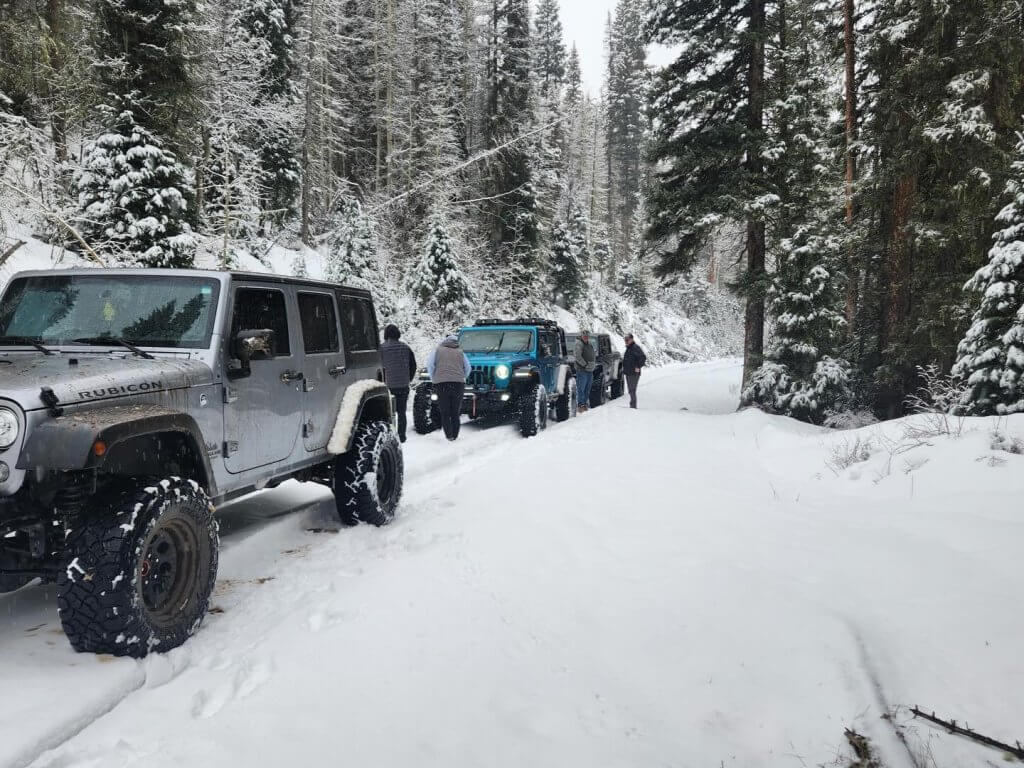
Even with preparation, mindset matters more than modifications. Overconfidence is one of the most common contributors to winter incidents. Experience does not change physics, and ice does not care how capable a vehicle appears. The most responsible winter off-roaders are those who recognize when conditions exceed reasonable risk and are willing to call it a day.
VAOR’s position on winter trail use is rooted in education, safety, and stewardship. We encourage the community to respect seasonal conditions, follow forest service guidance, and understand that sometimes the best way to protect access is by not using it. Winter restraint helps ensure that trails remain open and enjoyable when conditions improve.
Virginia’s trails will still be there when spring arrives. Snow will melt, ice will recede, and familiar routes will once again offer challenge without unnecessary danger. Choosing patience over risk during winter months is not a sign of weakness—it is a commitment to the long-term health of the trails and the safety of everyone who enjoys them.


No responses yet