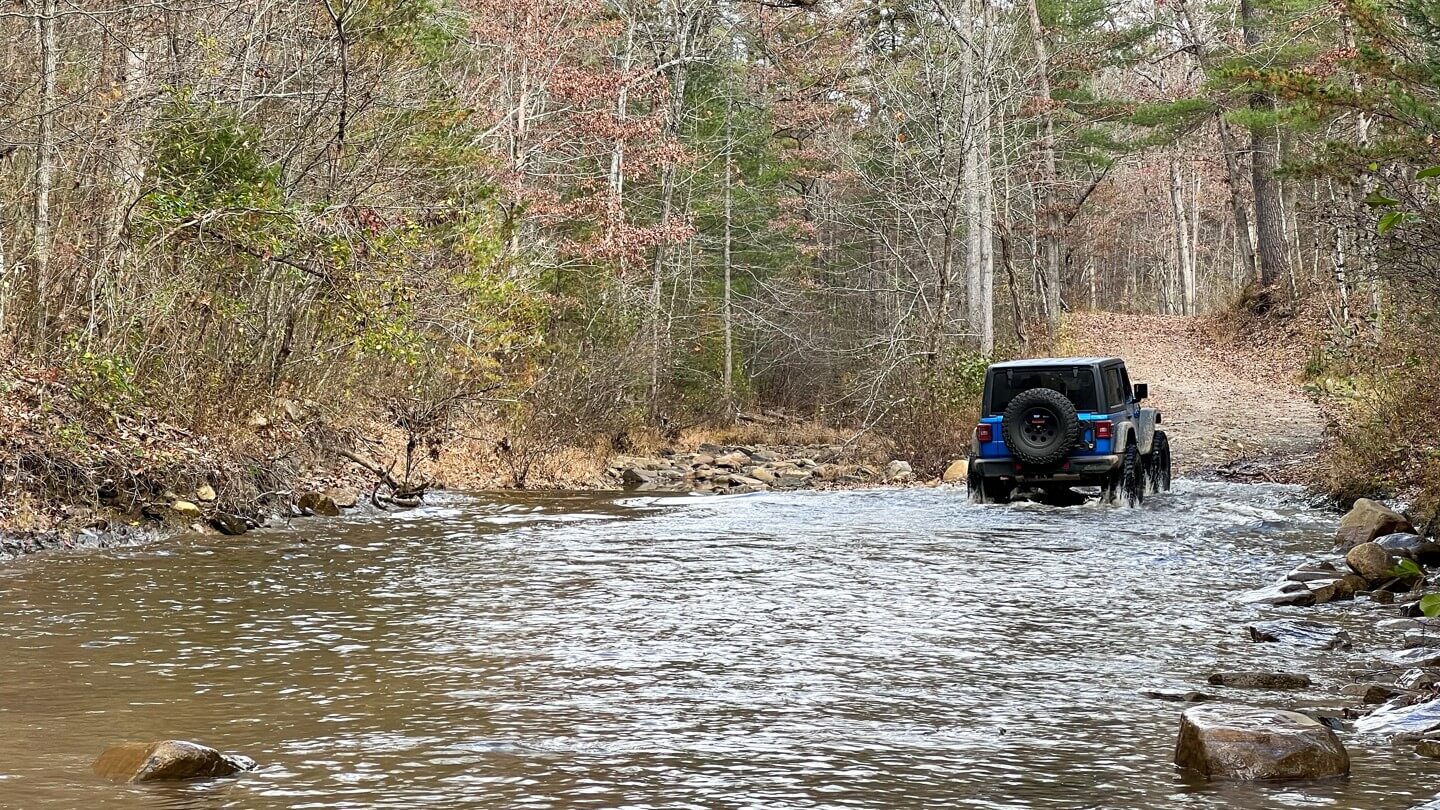
Virginia off-roading was never built around spectacle. It wasn’t shaped by massive boulder fields, desert dunes, or viral obstacle videos meant to break axles for entertainment. Instead, it grew quietly, over decades, through forest corridors, ridge lines, and mountain passes where access mattered more than bragging rights. The trails that changed Virginia off-roading didn’t just challenge vehicles—they shaped a community mindset that still defines how wheeling works in the Commonwealth today.
Long before GPS apps, social media groups, and digital trail maps, Virginia off-roaders learned their routes through word of mouth. Someone knew someone who had driven a fire road years ago. Someone else remembered a muddy climb after a storm. Trails were shared cautiously, not out of elitism, but out of survival. If a route disappeared, it might never come back. That early awareness—fragile access paired with real consequences—created a culture that values responsibility as much as capability.
Some of the most influential trails in Virginia weren’t extreme by modern standards, but they demanded something harder to engineer than horsepower: judgment. Steep grades combined with loose rock forced drivers to think about momentum instead of throttle. Narrow shelf roads required spotting skills long before spotting became a buzzword. Mud wasn’t the fun kind that splashed for photos; it was the kind that swallowed tires and tested patience. These experiences shaped drivers who learned when not to push forward.

Potts Mountain Jeep Trail is often mentioned in conversations about Virginia’s off-road history, not because it is the most technical trail in the state, but because it represents a turning point. It showed what happens when increased popularity meets limited infrastructure. Over time, it became a case study in why access requires stewardship. Closures, reroutes, and restrictions weren’t abstract concepts anymore—they were consequences felt directly by the community. For many wheelers, Potts Mountain was the moment they realized that enjoying trails and protecting them are inseparable.
Flagpole Knob played a different role. For generations of off-roaders, it served as an introduction to mountain travel rather than obstacle conquest. The views were the reward, not the climb itself. Yet weather could transform an easy route into something dangerous without warning. Ice, fog, and sudden storms taught drivers that preparation matters even on “easy” trails. It helped normalize the idea that turning around is sometimes the smartest move you can make.
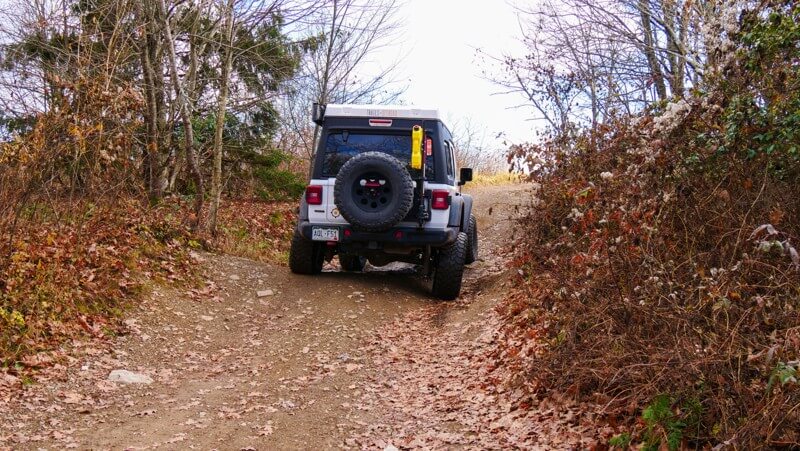
Across the state, forest service roads quietly shaped Virginia off-roading more than any single named trail. These routes taught drivers how to read terrain, how to pass responsibly, and how to share space with hikers, hunters, and land managers. They blurred the line between recreation and access, reinforcing the idea that off-roading in Virginia isn’t about conquering land—it’s about navigating it respectfully. That mindset became foundational as more people discovered the hobby.
As vehicle technology advanced, the trails didn’t magically become easier. Larger tires, lockers, and traction aids helped, but they didn’t eliminate the core challenges. Virginia trails punish overconfidence quickly. Roots remain slick. Clay stays unpredictable. Water crossings don’t care how new your suspension is. These realities created a culture where experience earns respect faster than equipment lists. That culture traces directly back to the trails that forced drivers to learn the hard way.
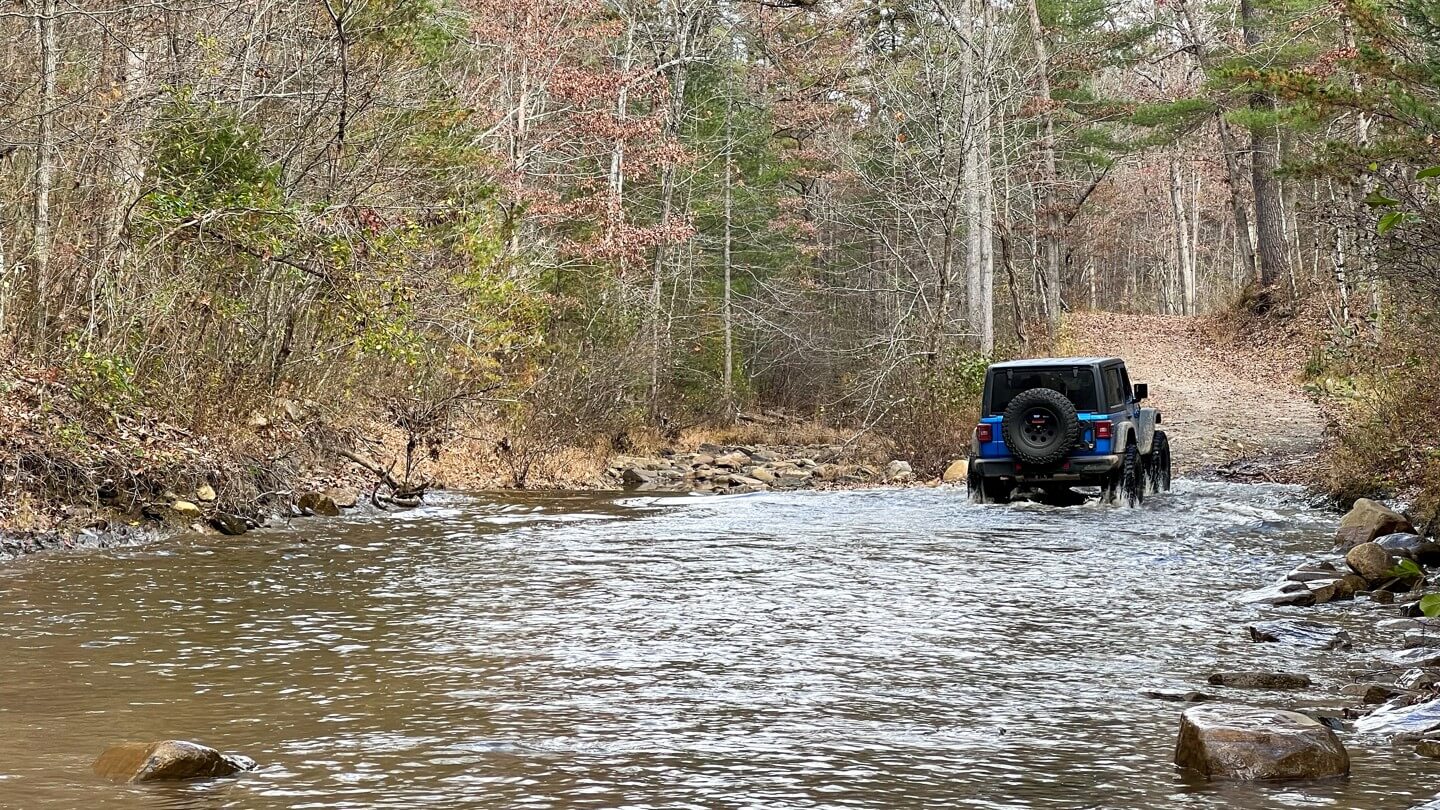
Community growth followed the trails. Trail rides turned into friendships. Breakdowns turned into recovery lessons. Someone always had a tool, a strap, or advice—because everyone eventually needed help themselves. Virginia off-roading became less about individual achievement and more about shared responsibility. That spirit is why organized trail cleanups, education programs, and safety initiatives feel natural here rather than forced.
When modern organizations began mapping trails, offering vehicle-matching tools, and publishing safety guidance, they weren’t reinventing Virginia off-roading—they were formalizing values that already existed. The trails had already taught the lessons. Technology simply made them easier to pass on to the next generation. The goal was never to make trails busier; it was to make trail use smarter.
Today, newcomers sometimes arrive expecting Virginia to be “easy” compared to more famous off-road destinations. Those expectations don’t usually last long. A muddy climb after rain, a narrow mountain road with no turnaround, or a sudden weather shift quickly resets assumptions. What many eventually realize is that Virginia’s trails don’t need to be extreme to be meaningful. They demand awareness, patience, and respect—qualities that stick with drivers long after the trail ride ends.
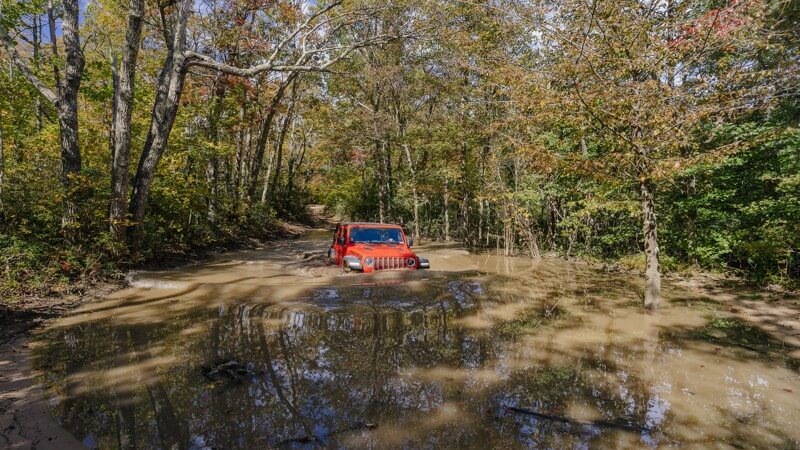
The trails that changed Virginia off-roading didn’t do so because they were the hardest. They did it because they taught lessons that mattered. They showed how quickly access can disappear, how valuable community really is, and how preparation often matters more than performance. They shaped a culture that understands off-roading as a privilege earned through responsibility, not a right claimed through capability.
As Virginia off-roading continues to grow, those lessons matter more than ever. Trails evolve. Vehicles change. Technology advances. But the principles that defined off-roading here were written into the dirt long ago. Anyone willing to listen will still find them waiting—quietly—around the next bend in the trail.

No responses yet