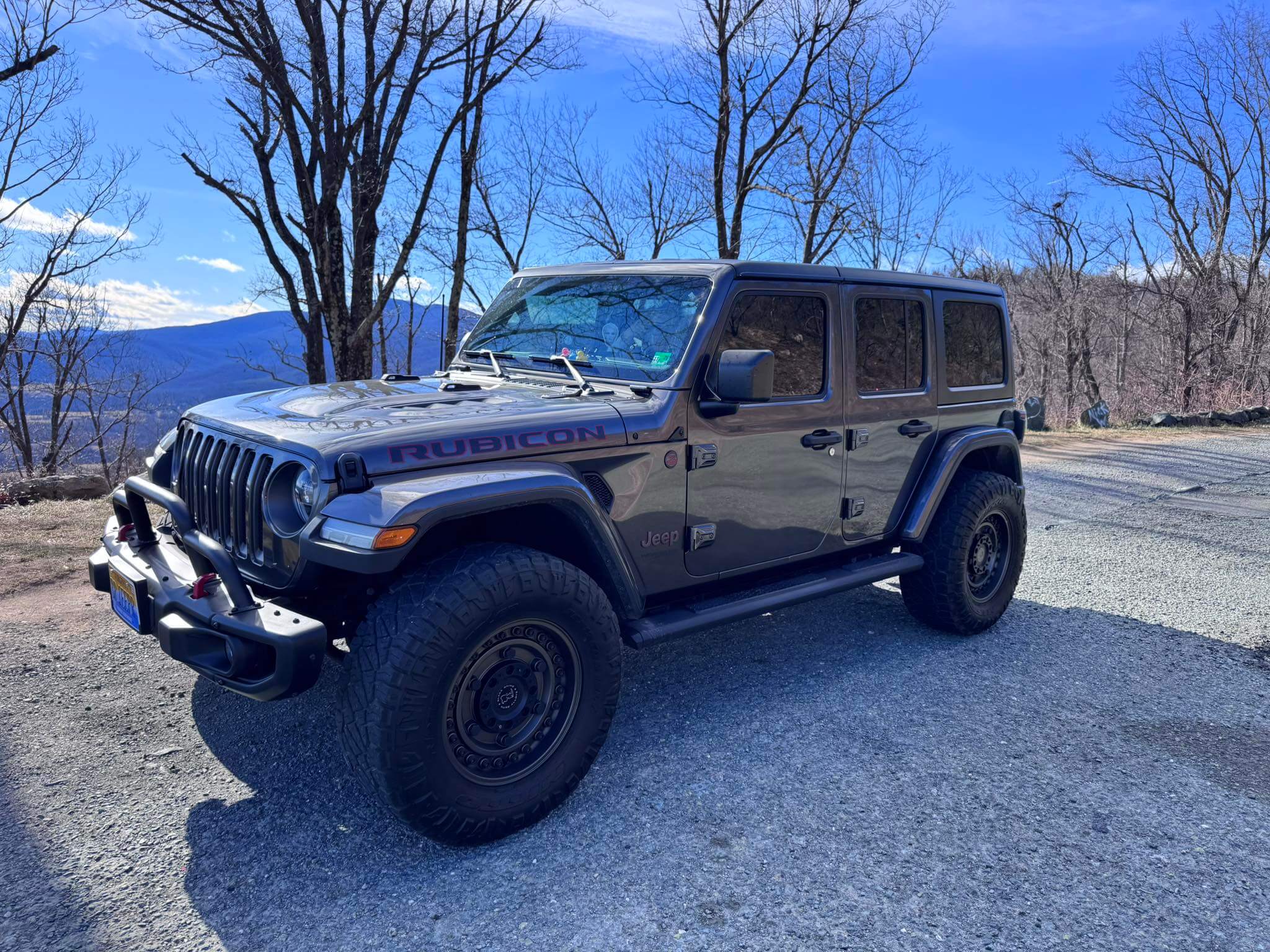
For many off-roaders, the destination is the trailhead. The GPS is set, the rig is aired down, and the focus narrows to what lies beyond the gate or the forest road sign. Yet some of the most memorable parts of off-roading in Virginia happen long before tires ever touch dirt. They unfold quietly along the backroads, small towns, and overlooked landscapes that exist between home and the trail itself.
Virginia has a way of easing you into the experience. Paved roads slowly give way to narrow two-lane routes, which then turn into winding mountain passes bordered by forests and old fences. Cell service fades, traffic thins, and the pace changes almost without notice. These stretches of road are not obstacles or challenges, but transitions. They signal that you are leaving the everyday world behind and entering a space where attention matters more than speed.
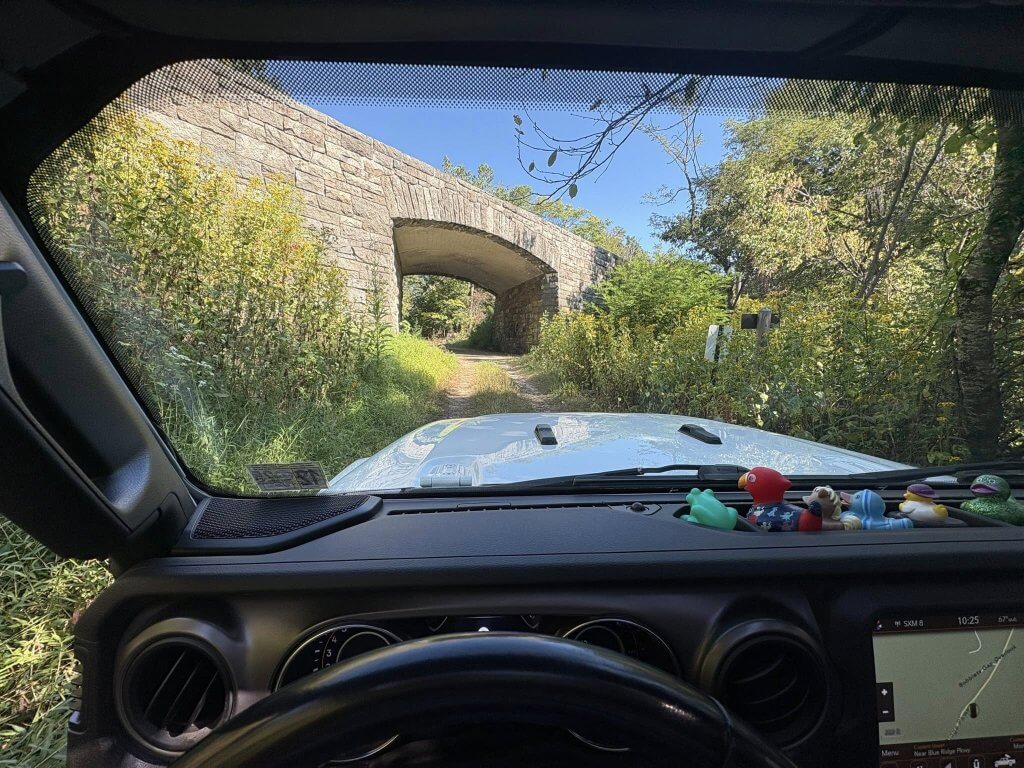
Many of these routes follow paths laid down long before off-roading was a hobby. Old logging roads, agricultural connectors, and mountain passes once used for trade and travel now serve as gateways to recreation. Passing through them offers a glimpse into Virginia’s layered history. Abandoned barns, stone foundations, and quiet cemeteries appear briefly and then disappear again, reminders that these areas were lived in long before they were driven through for fun.
Small mountain towns often sit at the edge of these journeys, rarely noticed unless you stop. A single gas station, a diner with limited hours, or a hand-painted sign advertising firewood can feel out of place to those accustomed to convenience. Yet these places are part of what makes Virginia off-roading unique. They anchor the trail experience in real communities, where respect and awareness go a long way. Slowing down, waving, and being courteous matters here more than anywhere else.
Forest service roads deserve special mention, not because they are technically demanding, but because they shape how drivers think. These roads teach patience. Washboards, potholes, blind corners, and unexpected traffic—often in the form of hikers, cyclists, or wildlife—require constant attention. They remind drivers that off-roading is not a closed-course activity. It is shared, dynamic, and dependent on cooperation.
Scenic overlooks and pull-offs appear without warning along these routes, often offering views that rival anything found at the end of a trail. Valleys open up beneath you. Ridges stretch into the distance. In quieter moments, these stops become part of the memory of the trip, not just a backdrop for photos. They offer perspective, literally and figuratively, on why access to these lands matters.
Seasonal changes transform these in-between places dramatically. Fall brings color that turns ordinary roads into corridors of gold and red. Winter strips everything back, revealing terrain shapes normally hidden by foliage. Spring exposes the scars left by weather and use, while summer closes the forest in again, narrowing sightlines and cooling the air. Each season alters not just the trails, but the journey toward them.
These spaces also serve as informal classrooms. Drivers learn to read road conditions, anticipate changes, and adjust expectations before reaching anything labeled as a trail. A muddy shoulder, a washed-out culvert, or a sudden patch of ice offers lessons without the pressure of a named obstacle. Those lessons often carry over when conditions become more challenging later in the day.
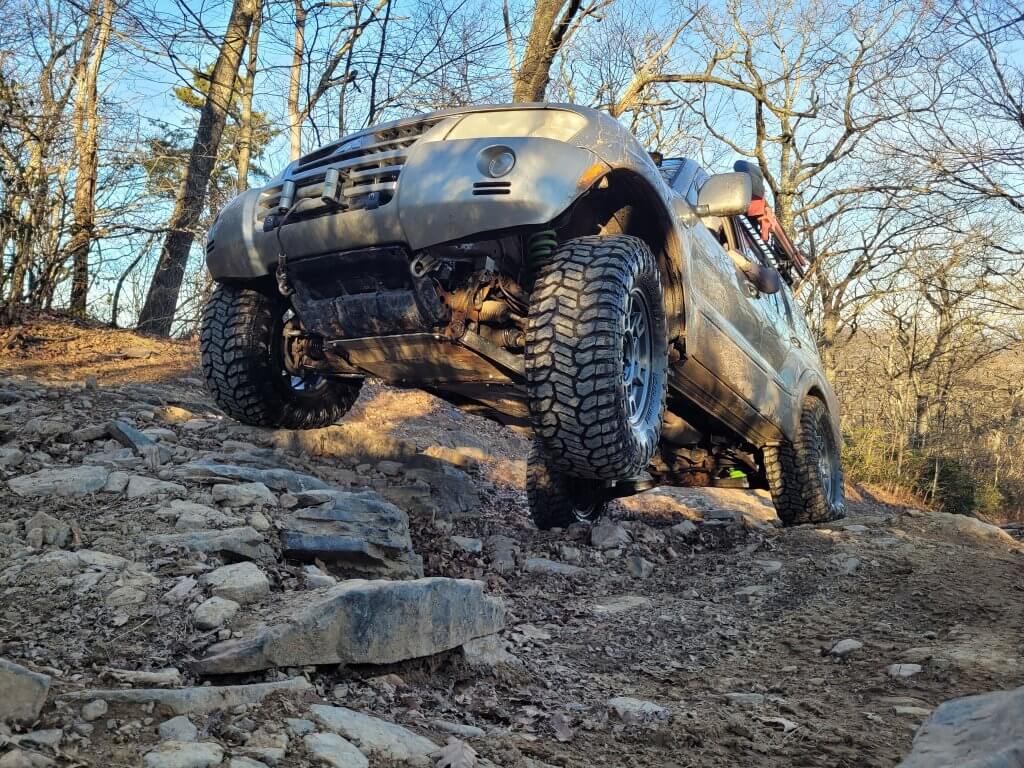
What makes these overlooked places truly important is their role in shaping mindset. They slow people down. They create space for conversation, anticipation, and reflection. By the time drivers reach the trailhead, many have already shifted into a different mode of thinking—more observant, more patient, more connected to the landscape around them.
Hidden Virginia is not hidden because it is secret. It is hidden because it is easy to overlook when the focus is fixed on destination over experience. Yet for those willing to notice it, the drive to the trail becomes as meaningful as the trail itself. The memories formed along these roads often linger longer than any single climb, crossing, or viewpoint.
In a state where access is precious and land use is constantly evolving, these in-between places matter. They remind off-roaders that the activity does not begin or end at the trail boundary. It exists within a broader landscape of communities, history, and shared responsibility. Appreciating what you drive past is part of earning the privilege to drive what lies ahead.


No responses yet