Trail difficulty is easy to measure. It shows up in photos, videos, and conversations about builds and capabilities. Access, on the other hand, is quieter. You usually only notice it when it is gone. For Virginia off-roading, access is the foundation that everything else depends on, and it is the reason VAOR places far more emphasis on stewardship than on how challenging a trail may be.
Virginia’s off-road opportunities exist within a delicate balance of public land management, environmental protection, and shared use. Trails are not isolated playgrounds; they are part of larger forest systems used by hikers, hunters, land managers, and local communities. When access is lost, it rarely comes back easily. Closures tend to be permanent or long-term, and they affect far more people than those who caused the initial problem.
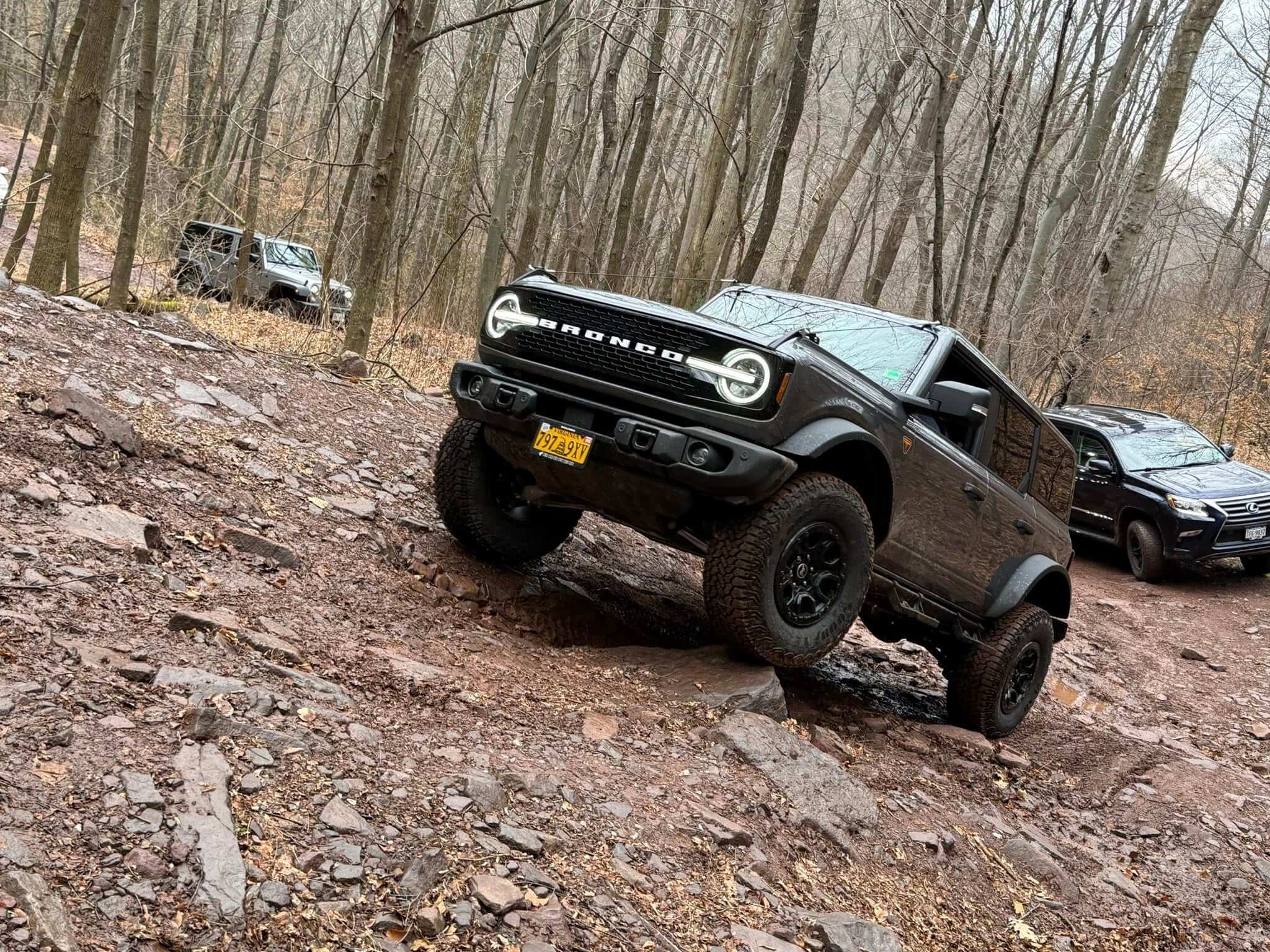
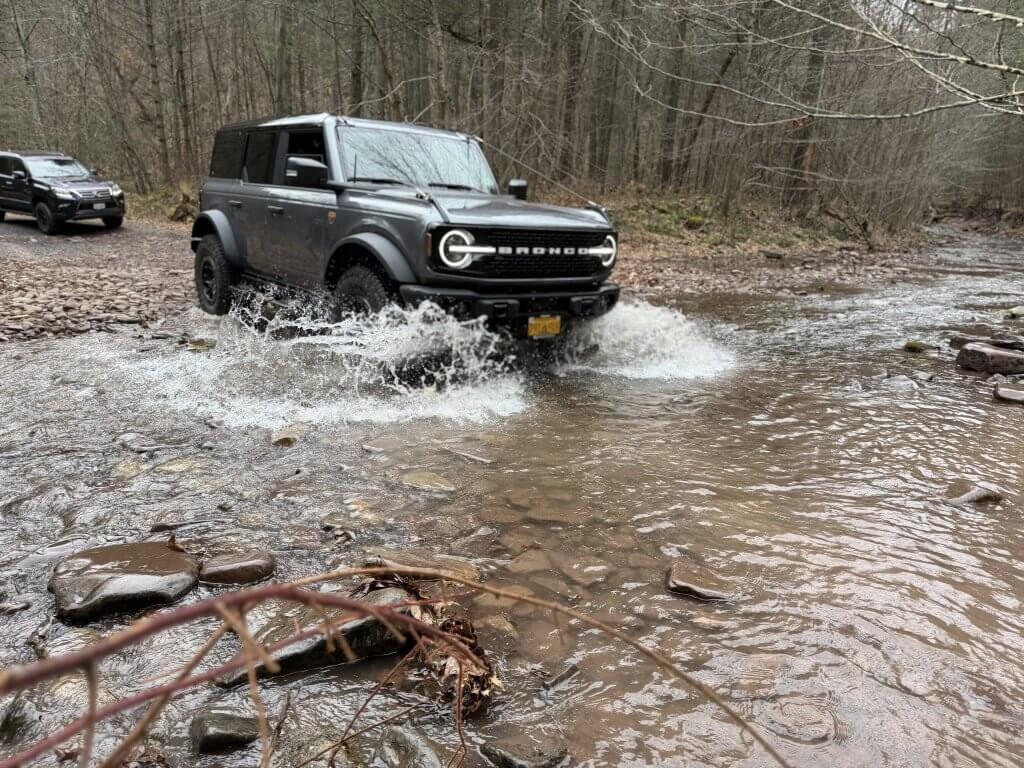
Focusing on trail difficulty alone can unintentionally work against long-term access. Pushing trails beyond their intended use, creating bypasses, or showcasing destructive behavior may generate short-term excitement, but it also draws the kind of attention that leads to restrictions. Virginia’s terrain is particularly vulnerable to this cycle. Clay soils, steep grades, and dense forests amplify damage quickly, especially when trails are treated as obstacles rather than shared corridors.
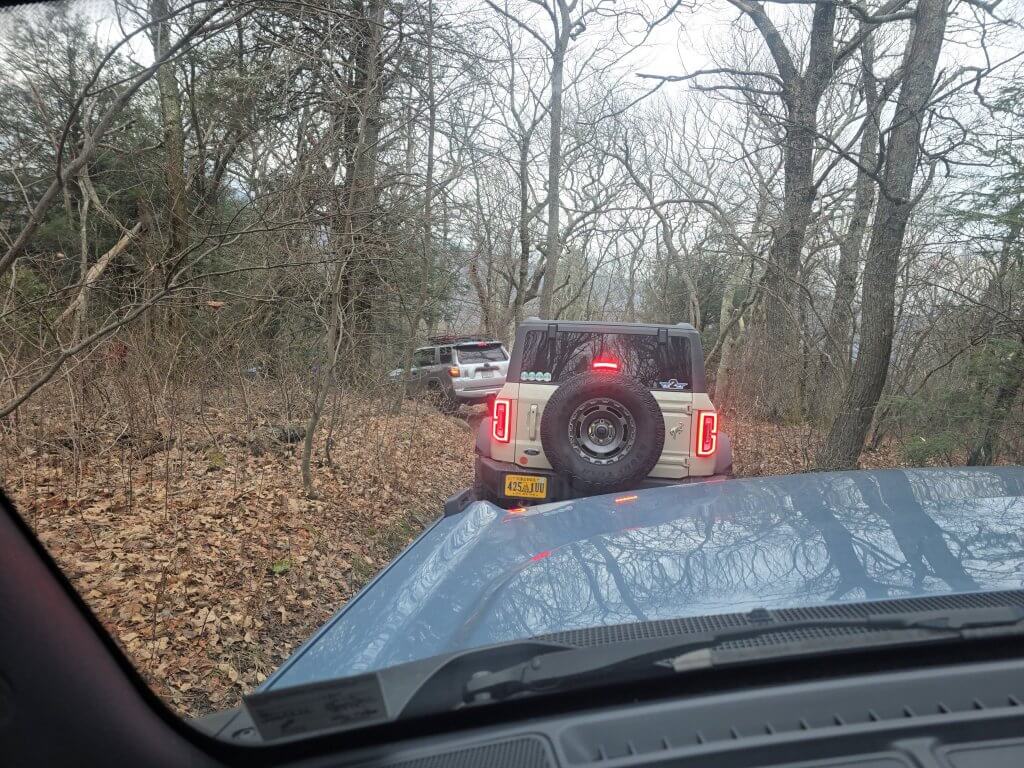
VAOR’s emphasis on access is rooted in experience. Many Virginia trails have already been altered, limited, or lost due to misuse and misunderstanding. These changes didn’t happen overnight, and they weren’t caused by one group or event. They were the result of repeated small decisions that added up over time. Once land managers intervene, the opportunity to correct course often disappears.
Trail access also shapes who gets to participate in off-roading. When only the most extreme routes remain open, the activity becomes less inclusive. Families, newer drivers, and those with modestly equipped vehicles are pushed out, not because they lack interest, but because the barrier to entry becomes too high. VAOR believes that a healthy off-road community includes a wide range of skill levels and vehicle types, all sharing responsibility for preservation.
Education plays a central role in protecting access. Teaching drivers how to read terrain, understand seasonal conditions, and make responsible decisions reduces trail damage more effectively than enforcement alone. When people understand why certain practices matter, they are more likely to adopt them consistently. Access is preserved not through restriction, but through shared knowledge and accountability.
Volunteer efforts are another critical piece of the access equation. Trail cleanups, maintenance days, and reporting issues help demonstrate that off-roaders are invested in the land they use. These efforts build trust with land managers and local communities, reinforcing the idea that off-roading can coexist with conservation. Difficulty ratings don’t build that trust; actions do.
VAOR’s programs reflect this philosophy. From safety and ethics education to adopt-a-trail initiatives, the focus remains on sustainability rather than spectacle. The goal is not to make trails easier or harder, but to keep them open, usable, and respected. Difficulty will always vary naturally based on weather, terrain, and time. Access, once lost, does not.
There is also a long-term perspective at work. Trails that remain open today will shape the experiences of future drivers. Protecting access ensures that newcomers can learn gradually, build skills responsibly, and develop the same appreciation for Virginia’s landscape that longtime off-roaders share. It creates continuity rather than burnout.
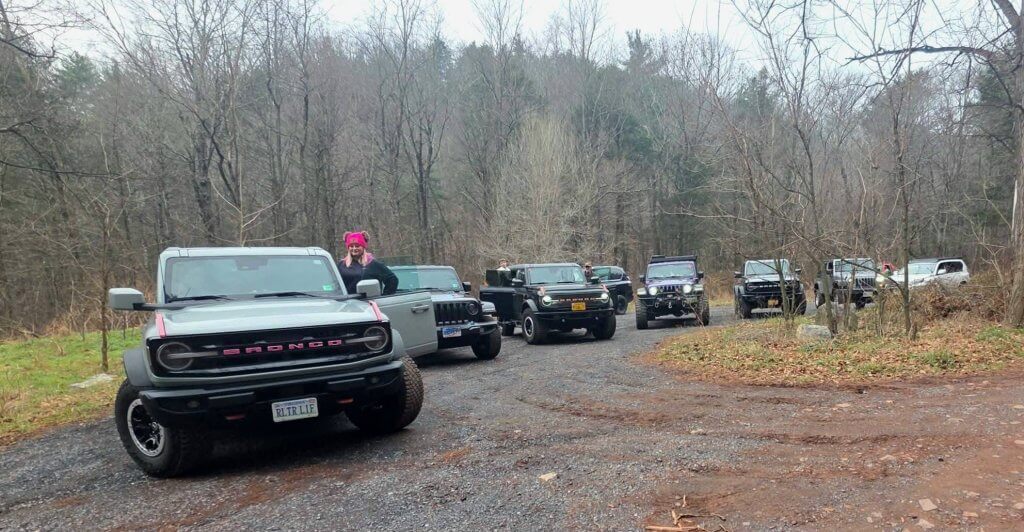
Caring about access does not mean avoiding challenge. Virginia trails offer plenty of it. The difference lies in intent. Challenge should come from terrain and conditions, not from neglect or damage. When access is prioritized, trails evolve naturally, and difficulty remains a product of environment rather than exploitation.
Ultimately, VAOR’s focus on access is about protecting possibility. Every open trail represents opportunities for education, community, exploration, and enjoyment. Difficulty may define individual moments on the trail, but access defines whether those moments can happen at all. By choosing stewardship over spectacle, VAOR works to ensure that Virginia off-roading has a future worth driving toward.

No responses yet