
🔥 Module 5: Fire, Camping, and the Outdoors
How to Camp and Cook Without Leaving a Mark on the Trails We Love
Off-roading and camping go hand in hand. There’s nothing better than rolling into a scenic overlook or remote clearing, setting up camp, and relaxing under the stars. But while campfires and outdoor cooking are part of the experience, they also come with responsibility.
In this module, we focus on how to enjoy the outdoors—especially camping and fires—without damaging the very trails and forests we’re here to appreciate. It’s about minimizing your impact while maximizing your adventure.
🏕️ Camping the Right Way
Setting up camp in the wild isn’t as simple as pulling off the trail and pitching a tent. Where you camp, how you set up, and what you leave behind matters more than you might think.
The best place to camp is always a previously used or designated site. These spots often have a packed-down surface, maybe a fire ring or rocks already in place, and minimal vegetation. Using these areas reduces the impact on fresh ground.
Avoid creating new campsites unless absolutely necessary. When you do:
Choose durable surfaces like gravel, sand, or dry dirt
Stay at least 200 feet from streams, rivers, or lakes—not just to avoid erosion, but to protect fragile waterside ecosystems
Keep your footprint small. The more gear, tarps, and tents you spread out, the more you trample vegetation
A great rule of thumb? If it looks untouched, leave it untouched.
🔥 Fire Isn’t the Problem—Poor Fire Habits Are
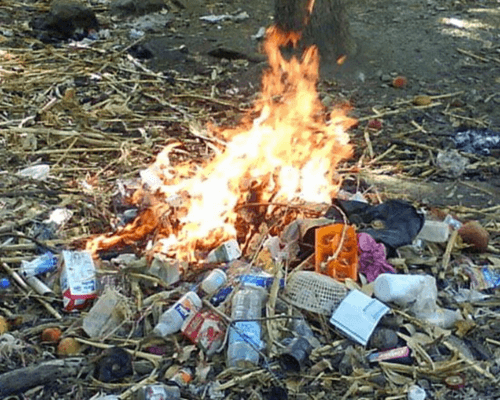
Campfires are an off-road favorite—but they’re also one of the most abused parts of outdoor recreation. Done wrong, they leave scars that can last decades. Done right, they leave no trace at all.
If you must have a fire:
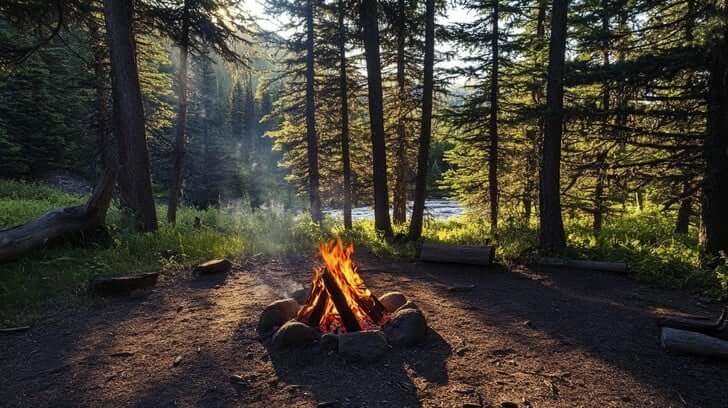
Use an existing fire ring whenever possible
Keep fires small and manageable—you’re not signaling Batman
Burn only natural materials (wood, brush). Never burn cans, plastics, or foil
Completely extinguish your fire before leaving—drown it, stir it, drown it again until it’s cold
Avoid building fires in areas with thick grass or roots under the soil. Fires built on top of plant life—even when it looks like dry dirt—can smolder underground and start wildfires hours later.
If you want the ambiance of a fire without the risk, consider a portable propane fire pit, especially in dry months or restricted areas.
🧼 Clean Campsites Only
You’d be surprised how many campsites are trashed with half-burned food, drink cans in the fire pit, or discarded gear. Not only is this unsightly, but it sends a message that off-roaders don’t care. You know that’s not true—but land managers, rangers, and hikers only see the mess.
Before you leave a campsite, do a “micro-trash sweep.”
Walk the site slowly
Look under logs, around trees, and under your vehicle
Pick up everything—even things you didn’t leave
Don’t forget to check for cooking spills or food scraps. They might seem harmless, but they attract wildlife, which leads to dangerous animal encounters and trail closures.
Want to go the extra mile? Leave the campsite better than you found it. Pack out someone else’s mess. It might be annoying, but it builds respect—and it keeps the trail open.
🚿 Hygiene and Human Waste
This one’s awkward but necessary.
When nature calls, make sure you’re answering it responsibly. Toilet paper, wipes, and human waste are among the worst trail offenders when it comes to long-lasting damage and health risks.
If you don’t have access to a restroom or portable toilet:
Dig a “cat hole” at least 6–8 inches deep
Stay 200 feet away from water, trails, or campsites
Pack out your toilet paper in a sealed bag or container
Even better? Use wag bags or a portable toilet system. They’re easy to store, legally compliant in many areas, and help eliminate any trace of your stay.
🏞️ Respect the Environment, Respect the Experience
Camping is about connection—with nature, with friends, with yourself. But when we cut corners, leave behind trash, or damage the land, we rob future visitors of that same experience.
Imagine driving 4 hours to reach a peaceful remote clearing, only to find a fire pit full of beer cans, shredded tarps in the trees, and toilet paper behind every rock. That’s not an escape—it’s a landfill.
That’s why what you do at camp matters as much as what you do behind the wheel.
✅ Key Takeaway: Camp With Care, Leave No Trace
Camping and fires can be part of the adventure—but they should never leave a scar.
Use designated or durable sites
Keep fires small, safe, and legal
Clean up everything—even things that aren’t yours
Stay away from sensitive areas like waterways
Pack out all trash, food, and human waste
Respectful camping isn’t just good practice—it’s a way of protecting what makes off-roading in Virginia so special. When you “leave no trace behind,” you ensure these views, trails, and campsites are still here for your next trip—and for generations to come.
📌 Up Next: In our final module, we’ll wrap up the course with a challenge: how to become an off-road ambassador by leading through action, sharing the message, and helping others learn how to Leave No Trace Behind.