
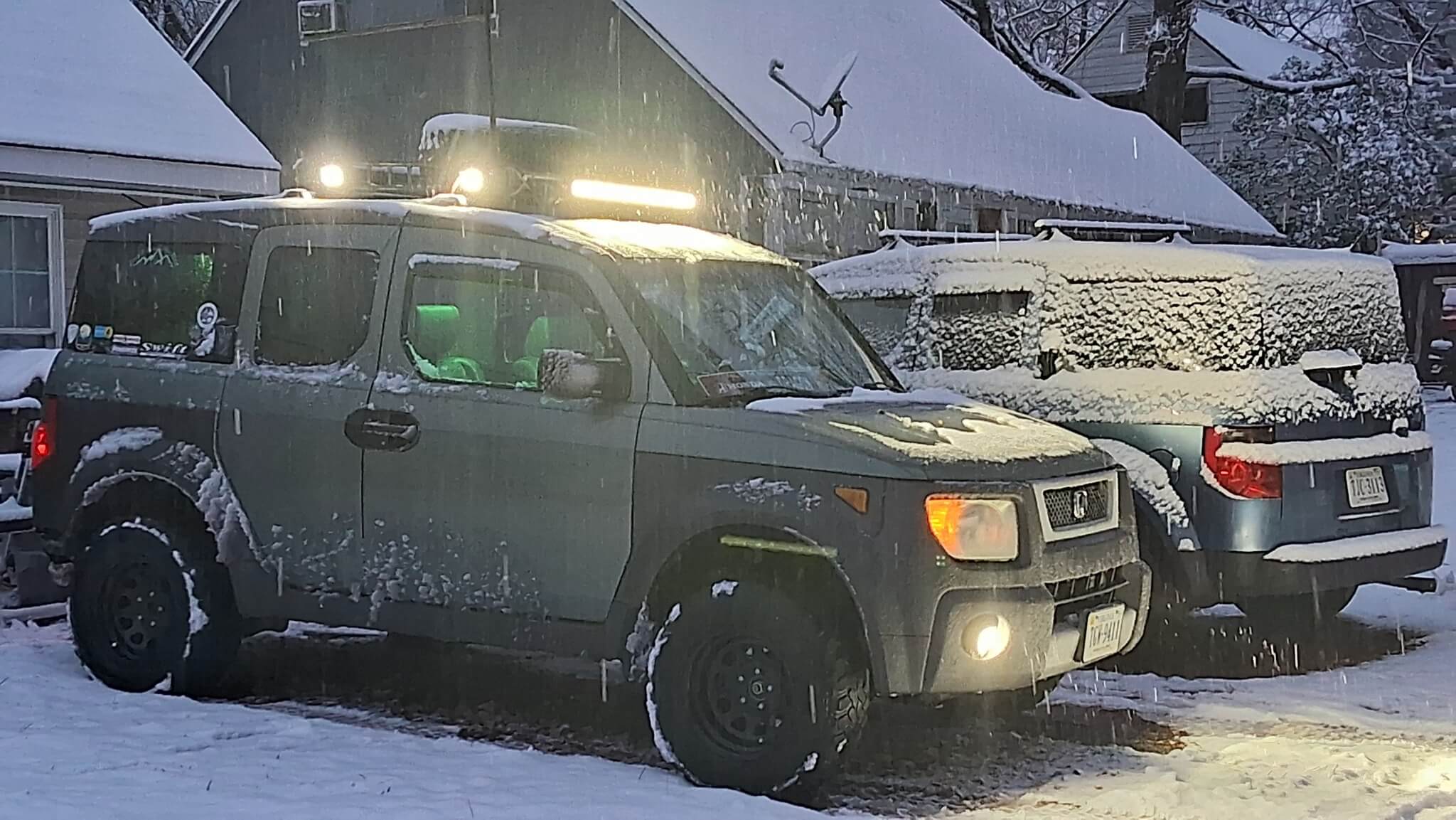
Snow in Virginia always brings a certain magic with it—especially in the Blue Ridge Mountains. This morning’s 2–4 inches across parts of western and central Virginia are enough to transform the trails, soften the ridge lines, and turn our forests into a quiet white landscape that begs for adventure. But snow also introduces real hazards, both on pavement and off-road. Whether you’re in a 4WD truck, a Bronco or Jeep, or an AWD Subaru headed into the mountains, winter driving demands respect, patience, and situational awareness.
This article breaks down everything you need to know about navigating snowy roads and trails in Virginia—from vehicle prep, to pavement techniques, to trail strategies, to the fun (yes, there’s a lot of fun) and the risks that come with snow wheeling.

1. Understanding What Snow Does to Your Vehicle and Traction
Before you even put your rig in drive, it’s important to understand how snow affects traction.
Snow = Reduced Friction
Fresh, powdery snow reduces tire grip by 30–50%. Wet, heavy snow reduces traction even more. And compacted or icy snow can reduce traction by 70–90%.
Even with 4WD or AWD, your vehicle doesn’t magically gain grip—your drive system simply sends power to more wheels. You can still slide. You can still lose control. And you can still end up in the ditch or wrapped around a guardrail.
4WD vs. AWD in Snow
AWD is fantastic for pavement and light trail conditions. It reacts automatically, distributing power where it’s needed. For most Virginians driving to work or into town this morning, AWD is more than enough.
4WD, especially 4-Low, is designed for controlled torque in deeper snow, steep inclines, traction-limited climbs, and situations where you need slow, deliberate movement.
Neither system helps you stop faster. That comes down to brakes, tires, speed management, and driver skill.
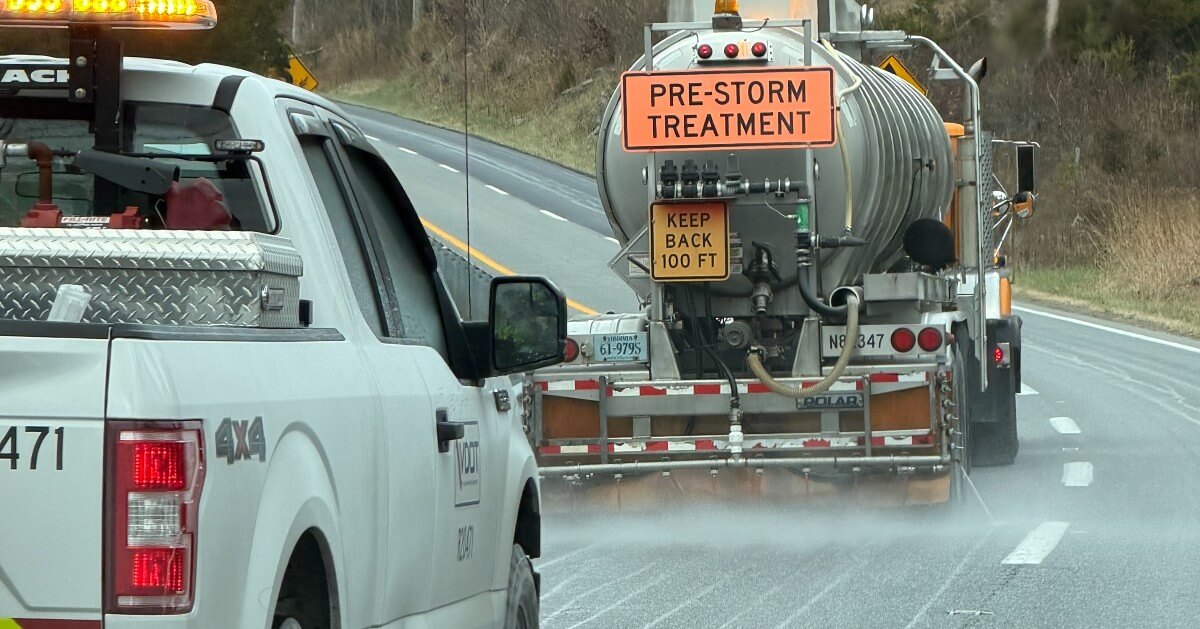
2. Preparing Your Rig: Winter Readiness Matters More Than You Think
Snow wheeling—even light snow—puts different demands on your vehicle. Before heading out, check the following:
Tires
All-terrains perform well in light snow, but winter-rated tires (with the mountain/snowflake symbol) perform dramatically better. Mud-terrains tend to harden in cold temps and lose traction.
Tire pressure: Dropping PSI by 5–10 helps increase the tire’s footprint on snow, but don’t go too low unless you’re on the trail. On pavement, stay close to recommended pressures.
Fluids & Fuel
Cold thickens fluids. Make sure your oil, coolant, and washer fluid are winter-safe. Keep at least a half tank of fuel—idling for warmth uses more fuel than you realize.
Recovery Gear (Even for Pavement Driving)
You don’t need a rock-crawler setup for snow driving. Having these basics can save you or someone else:
- Tire deflator & pressure gauge
- Shovel
- Tow strap or kinetic rope
- Soft shackles
- Traction boards
- Blanket / hand warmers
- Flashlight or headlamp
- GMRS radio (mile-for-mile far more reliable than cell service)
If you’re venturing onto the trails, add: winch, gloves, tree saver, snatch block, Hi-Lift or bottle jack, and a buddy vehicle.
Know Your Limits
Even the most capable rig loses to:
- Ice
- Wrong tire choice
- Excessive speed
- Poor visibility
- Inexperienced drivers
Snow is fun—but unforgiving.
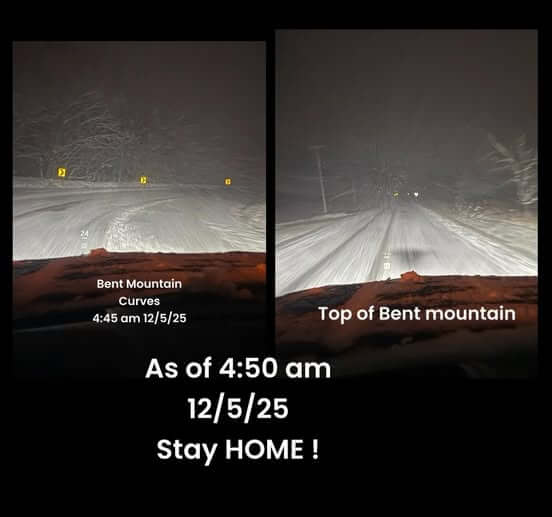
3. Snow on Pavement: How to Drive Safely on Virginia’s Roads
Most winter accidents in Virginia happen not on trails—but on the paved roads leading to them. Black ice, slush, and thin layers of unpacked snow all cause issues.
Here’s how to handle pavement conditions with 4WD or AWD:
Slow Inputs = Safe Driving
Every control—steering, throttle, braking—should be slow and deliberate. Jerky movements break traction instantly.
Increase Following Distance
In dry conditions: 3 seconds
In snow: 6–8 seconds
In icy conditions: 10+ seconds (or more)
AWD/4WD may help you accelerate, but they do not help you stop.
Use Higher Gears
In slick conditions, use manual mode or a higher gear to reduce torque. This prevents your wheels from spinning under acceleration.
Avoid Sudden Braking
If you need to slow down, ease off the throttle early. Let the vehicle coast and settle before applying brakes gently.
Know When to Use 4WD
- 4-High for snow-covered pavement at moderate speeds
- NOT 4-Low on pavement (it’s for slow off-road use only)
- Do not use locked differentials on pavement—they will cause sliding
Watch for the Most Dangerous Zones
Virginia drivers often forget these high-risk spots:
- Bridges (freeze first)
- Mountain passes
- Shaded curves
- Rural roads with runoff
- Areas with slush that refreezes at sunset
Even experienced off-roaders struggle when the entire road surface turns into a sheet of ice. Respect it.
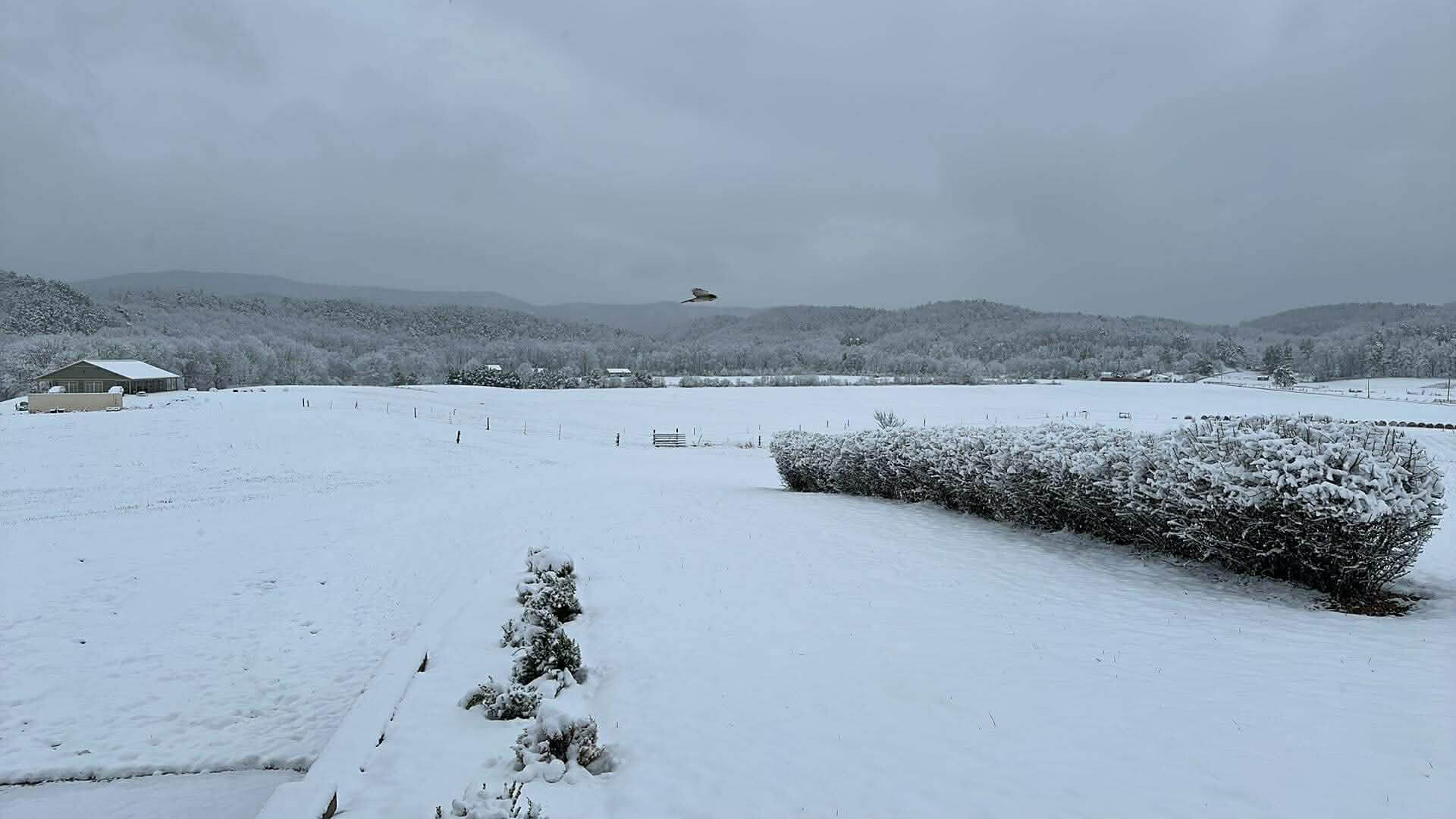
4. Snow on the Trails: How to Wheel Safely in Winter Conditions
Snow on dirt and snow on pavement behave very differently. Trails introduce mud, ice, water crossings, downed trees, and uneven surfaces—all hidden under snow.
Trail Snow Hazards
Virginia winter trails commonly hide:
- Frozen ruts
- Mud under the surface
- Thin ice over deep puddles
- Rocks hidden under powder
- Sudden drop-offs not easily visible
- Off-camber slopes that push rigs sideways
Snow adds weight to branches, meaning trees can fall with little warning. Keep your distance from sagging limbs and don’t linger under heavy canopy in high winds or warming temperatures.
Use 4-High for Most Situations
4-High gives you traction while maintaining wheel speed. Save 4-Low for:
- Deep snow
- Steep ascents/descents
- Recovery situations
- Technical climbs
- Slow, controlled driving
Throttle Control Is Everything
Wheel spin digs you down into the snow until you’re stuck on your frame. Light, steady throttle maintains forward movement without losing traction.
Find the Packed Line
If someone has driven the trail before you, use their ruts. Packed snow provides more grip than untouched powder.
Avoid Sudden Direction Changes
When turning in snow, your front wheels may plow forward even if you’re steering. Approach turns slowly and allow the tires to bite.
Recoveries Take Longer in Snow
Winch lines freeze.
Straps stiffen.
Traction boards might need digging to place.
Plan for double the time and triple the effort.

5. Fun in the Snow: Why Winter Off-Roading Is Magical
Snow wheeling in Virginia—when done safely—is one of the most enjoyable forms of off-roading.
The Trails Quiet Down
Winter reduces hiker and rider traffic. Trails feel peaceful, almost untouched.
Scenery Becomes Unreal
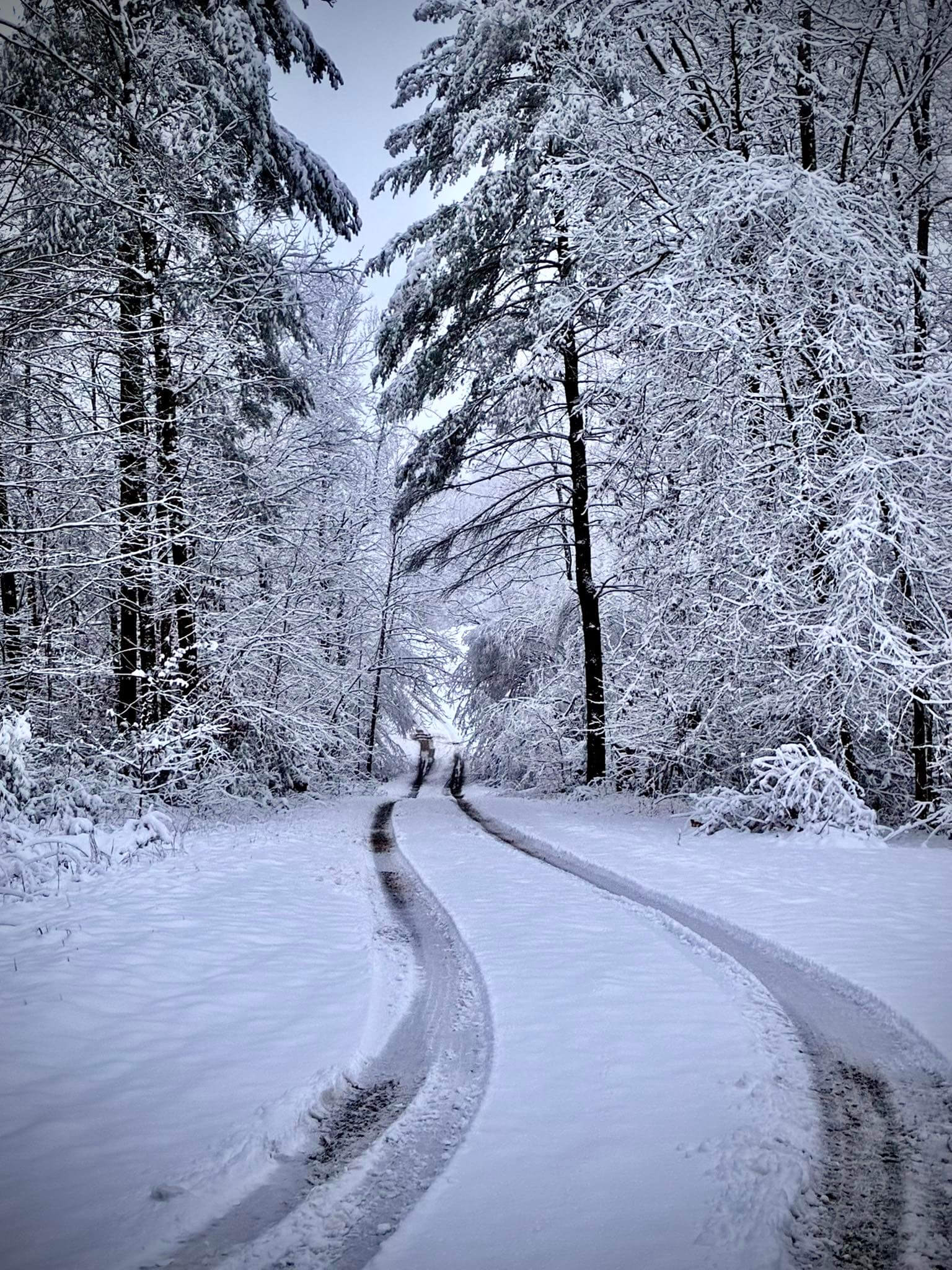
Snow dusts the Blue Ridge pines, settles on the ridgelines, and muffles sound. Sunlight reflecting off fresh snow can make even familiar trails feel brand-new.
Your Rig Handles Differently
The reduced traction means you feel every throttle input and every shift of weight. This helps sharpen your off-road skills and deepen your understanding of your vehicle.
Good Memories Come from Unique Conditions
A snowy trail run with friends becomes a story you tell for years.
For many VAOR members, a light blanket of snow turns an ordinary day on Shoe Creek, Reddish Knob, or Potts Mountain into an unforgettable adventure.
6. Safety Best Practices for Winter Trail Runs
If you plan to hit a trail in the snow, here are core rules you should follow:
Never Wheel Alone
This cannot be overstated. Snow changes conditions fast, and a simple stuck becomes complicated when temperatures drop.
Plan Your Timing
Start early. Trails become more icy near dusk as temperatures fall. Daylight matters.
Tell Someone Where You Are
Give a friend or family member your:
- Trail name
- Entry point
- Expected return time
- Who you’re with
- What you’re driving
If you’re part of VAOR, use your GMRS radio channel and monitor others.
Monitor Conditions
What starts as a fun snow layer can turn into:
- Deep drifts
- Tree blockages
- Flash-freeze conditions
- Whiteout snow bands
If conditions worsen, turn around. Trail pride is not worth your life.
Water Crossings = Danger
Snowmelt raises water levels. Ice may form on the upstream side, hiding deeper channels. Moving water is far stronger than most realize.
If you wouldn’t drive it in normal conditions, you definitely shouldn’t drive it in winter.
7. Post-Snow Trail Ethics: Do the Right Thing
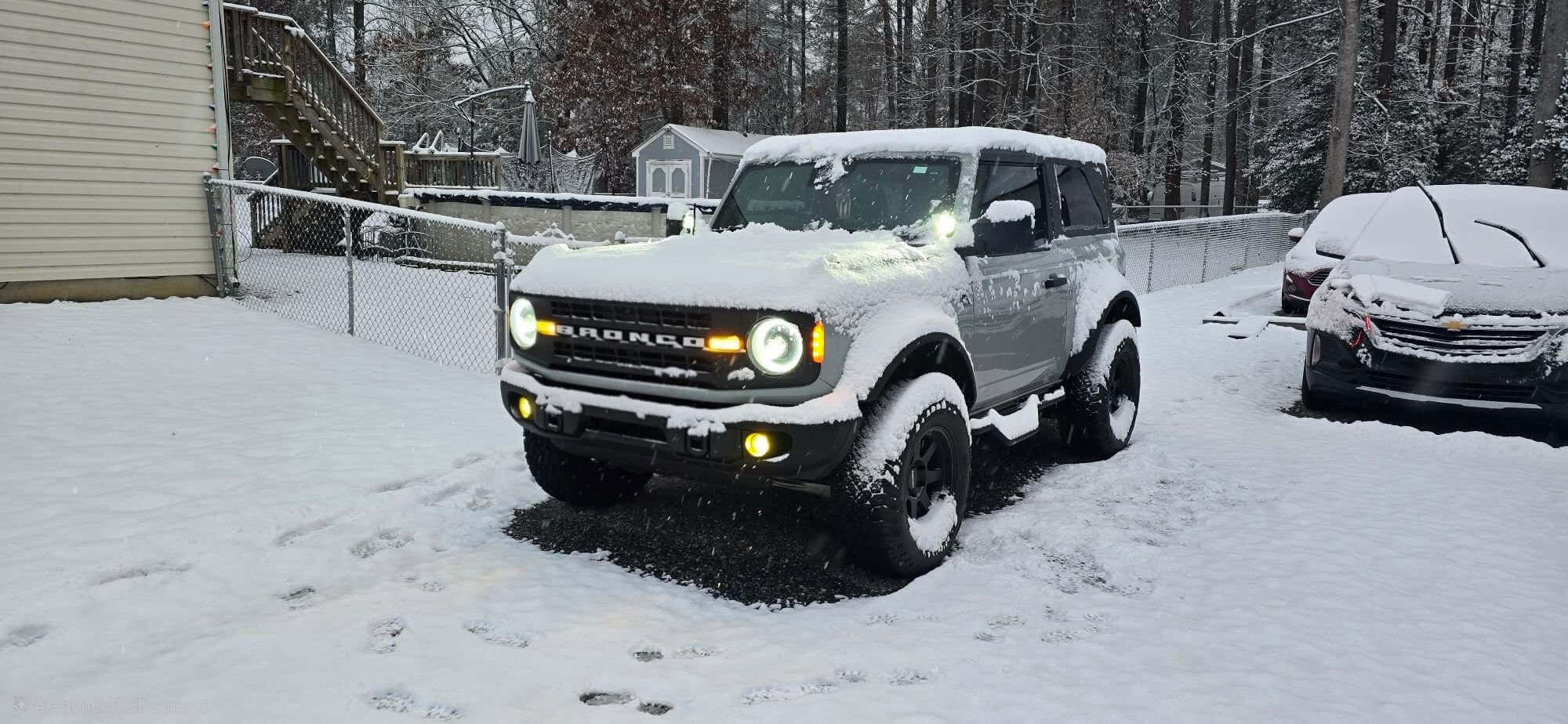
Snow hides damage but doesn’t prevent it. Winter trail etiquette matters:
Stay on the Trail
Snow does not make off-trail driving acceptable. Grass, roots, and fragile soil can be harmed even under snow.
Avoid Spinning Tires
Digging trenches creates springtime ruts that volunteers must repair.
Report Hazard Conditions
If you encounter:
- Fallen trees
- Washed-out sections
- Dangerous ice flows
- Blocked roads
- Major erosion
Report it to VAOR or your local trail organization.
Pack Out Everything
Snow makes trash easy to lose. Double-check your gear and campsite.
8. What To Do If You Get Stuck
Everyone gets stuck eventually. It’s part of the experience—not a failure.
Stay Calm
Panicking leads to floorboard throttle, which digs deeper.
Assess the Situation
Check:
- Tire depth
- Snow density
- Ground firmness
- Which wheels are spinning
- What obstacles are around you
Try Gentle Rocking
Forward/backward momentum works surprisingly well in light snow.
Use Traction Boards or a Shovel
Clear snow in front of your tires. Create a flat runway.
Lower Tire Pressure
Dropping 5–10 PSI increases your tire footprint. Just remember to air back up before hitting pavement at speed.
Use a Winch if Needed
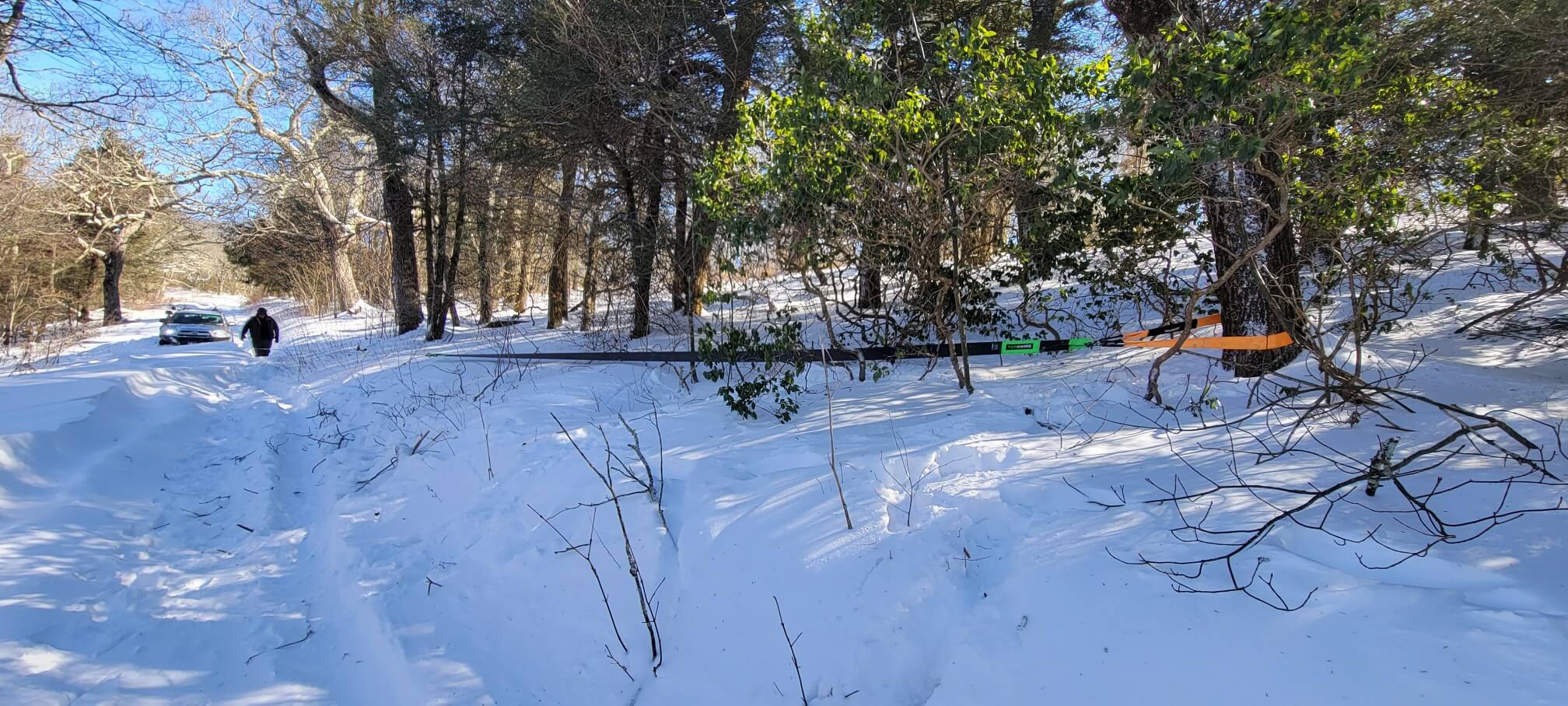
Anchor to a tree with a tree saver. Keep your winch line clean and avoid shock loads.
Ask for Help
It’s okay. Everyone has been there.
9. Snow Driving for Beginners: Quick Tips for Your First Time
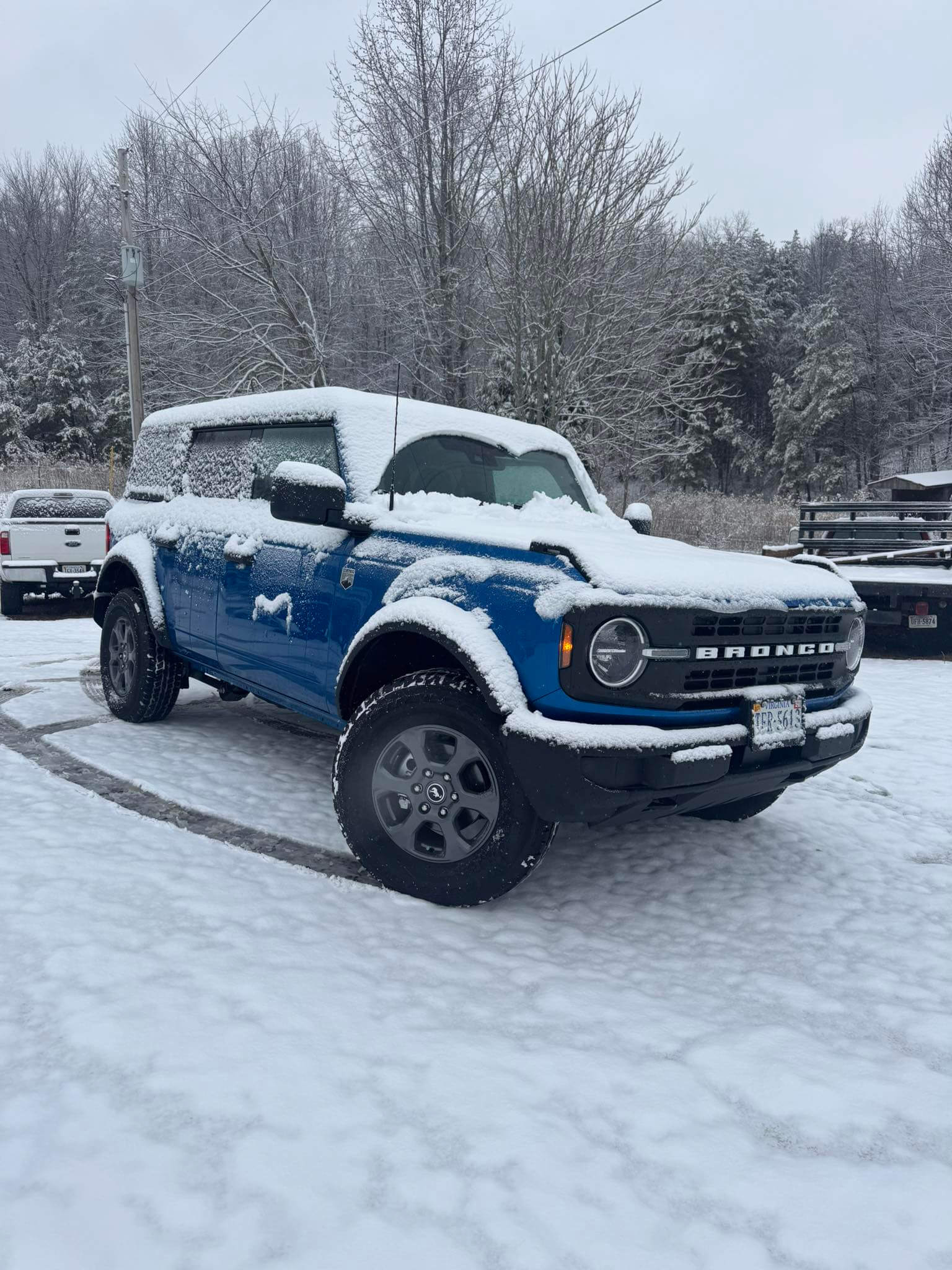
If this is your first time driving in the snow, on or off-road, keep these simple guidelines top of mind:
- Slow down—everything takes longer in snow.
- Give yourself room.
- Don’t assume 4WD = invincible.
- Avoid stopping on hills.
- Point your tires where you want to go.
- If you slide, ease off the brake and steer gently.
- Carry recovery gear even on pavement.
- Know when to turn around.
- Bring a friend or join a group.
10. Snow in Virginia: Unique Regional Challenges
Snow in Virginia isn’t like snow in Colorado or Montana.
Our Snow Is Often WET
Wet snow is heavy, slippery, and compresses into ice quickly.
Rapid Thaw-Freeze Cycles
Temperatures jump above and below freezing within hours. Traffic compresses slush into ice sheets.
Understory Vegetation
Branches snap easily and block trails after snowfalls.
Mixed Terrain
Virginia trails mix clay, rock, mud, leaves, and roots—each behaves differently when covered.
Limited Plow Access
Many forest roads aren’t maintained in winter. If the snow is getting deeper, you’re on your own.
11. Final Thoughts: Snow Wheeling Is Incredible—When Done Safely
Off-roading in the snow creates some of the most peaceful and exhilarating experiences you can have behind the wheel. A few inches of fresh powder, like what we’re seeing today across parts of Virginia, is enough to transform the landscape and add a whole new level of challenge to your drive.
Whether you’re cruising an AWD vehicle on paved mountain roads or running a 4WD rig up a snowy trail, the key themes remain the same:
Slow down. Respect the conditions. Plan ahead. Know your limits. Have fun.
The mountains will still be there tomorrow, next week, and next month. The best off-roaders are the ones who get home safely—and live to wheel another day.
Stay safe out there, enjoy the snow, and if you hit the trails, be sure to share your photos and trail updates with the VAOR community. Winter is just getting started.


No responses yet