By Virginia Off-Road Staff
The Dollars Behind the Dirt
When most people think of off-roading, they picture adventure-mud-splattered rigs, campfires in the mountains, and that unmistakable feeling of freedom you get when cell service fades away.
What they don’t see are the quiet economic ripples created every time a driver fills up their tank before hitting the trail, buys parts from a local 4×4 shop, or books a cabin near the forest.
Off-roading isn’t just a pastim, it’s a powerful, often overlooked economic engine that fuels small towns, local businesses, and community projects across the Commonwealth.
A Rural Lifeline
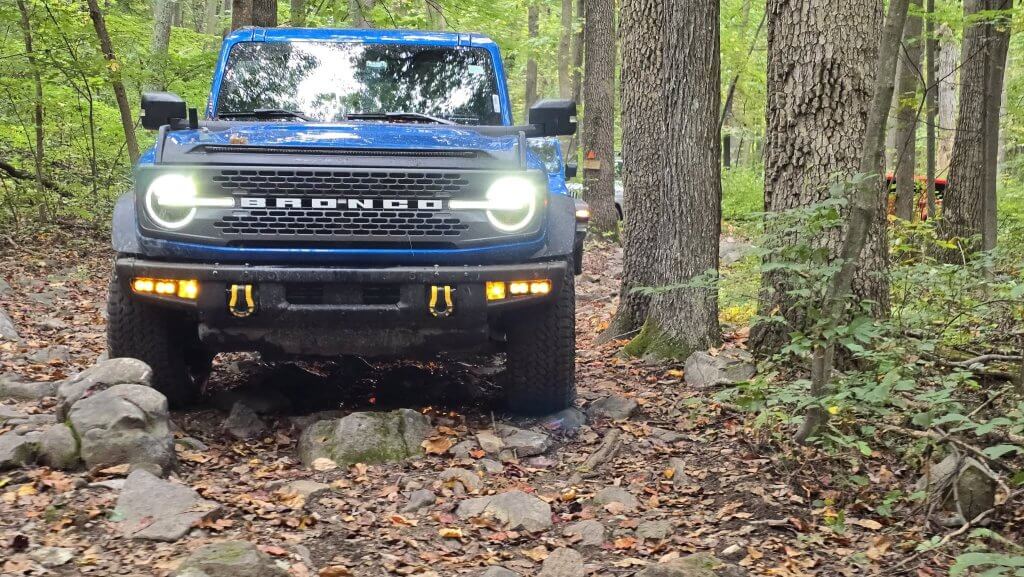
Virginia’s off-road network runs straight through the heart of rural America: towns like Buchanan, Bedford, Marion, and Wise. Many of these communities were built on industries that have slowed over the years, timber, coal, and manufacturing. Yet, in recent seasons, something new has started to take root.
Every time a convoy of Jeeps rolls through town, they stop for breakfast. They buy fuel. They stock up on snacks, straps, and parts. They rent rooms and eat dinner before heading home.
Those transactions matter. They keep dollars local, businesses open, and workers employed.
Tourism studies consistently show that outdoor recreation brings billions into state economies. And while hiking and kayaking get the headlines, off-roading has quietly become a major contributor in states like Virginia, especially in the Appalachian and Blue Ridge regions.
The typical weekend off-road trip can bring anywhere from $150–$400 per driver into nearby communities. Multiply that by hundreds of trips each season, and suddenly, those mountain roads represent more than adventure, they represent opportunity.
Local Shops, Local Jobs
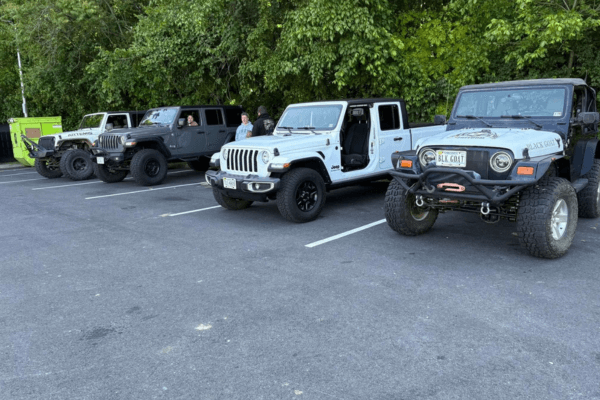
Every off-road community thrives on a backbone of small businesses that keep the wheels turning—literally.
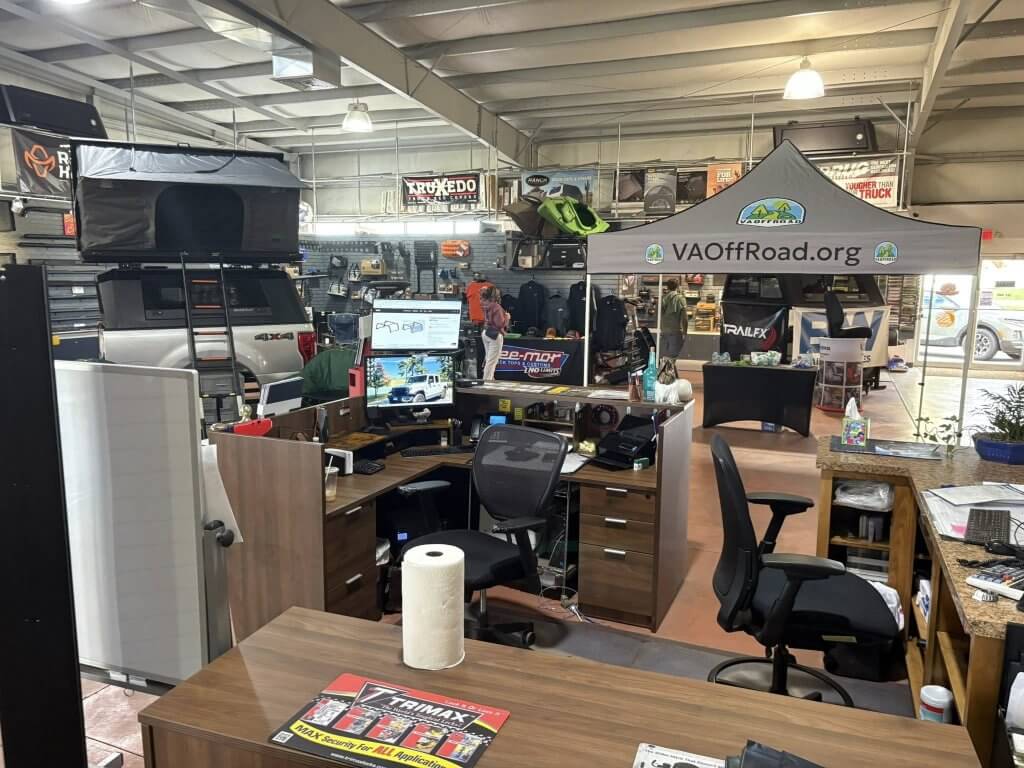
Shops like Bull Run 4×4 in Northern Virginia and See-Mor Customs in Roanoke don’t just sell parts and accessories. They provide expertise, local knowledge, and community hubs where enthusiasts gather to swap stories and advice.
When you buy locally, you’re not just investing in your ri, you’re investing in Virginia’s economy. Those dollars stay here, supporting mechanics, welders, fabricators, and their families.
And unlike big-box retailers, these businesses reinvest back into the off-road community, through sponsorships, event support, and charitable programs like Virginia Off-Road’s (VAOR) Trail to Recovery and Adopt-a-Trail.
It’s a self-sustaining loop of growth: off-roaders support local shops → shops support community programs → programs keep trails open → open trails attract more off-roaders.
Trail Access = Economic Access
Every open trail represents more than a route through the woods—it’s a revenue corridor.
When a trail closes due to erosion, neglect, or misuse, nearby businesses feel the loss. The diner that counted on weekend breakfast crowds. The gas station that sold 93 octane by the truckload. The mechanic who serviced half those rigs.
That’s why VAOR’s stewardship programs—especially Adopt-a-Trail—are about more than conservation. They’re economic protection plans. Keeping trails clean, safe, and accessible keeps communities thriving.
Trail closures aren’t just environmental losses—they’re local economic hits. Each clean-up day, each volunteer hour logged, is a form of investment that pays real dividends.
Tourism in Four-Low
Virginia has long marketed itself as a destination for hikers, cyclists, and wine lovers. But off-road tourism is a sleeping giant waiting to be fully recognized.
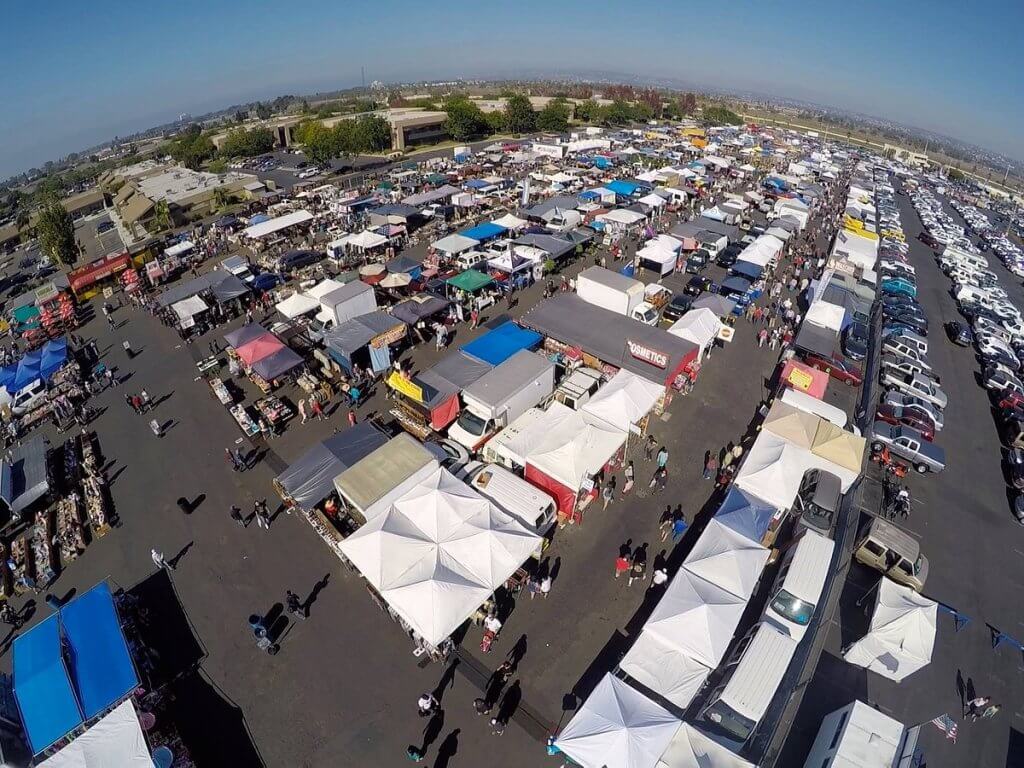
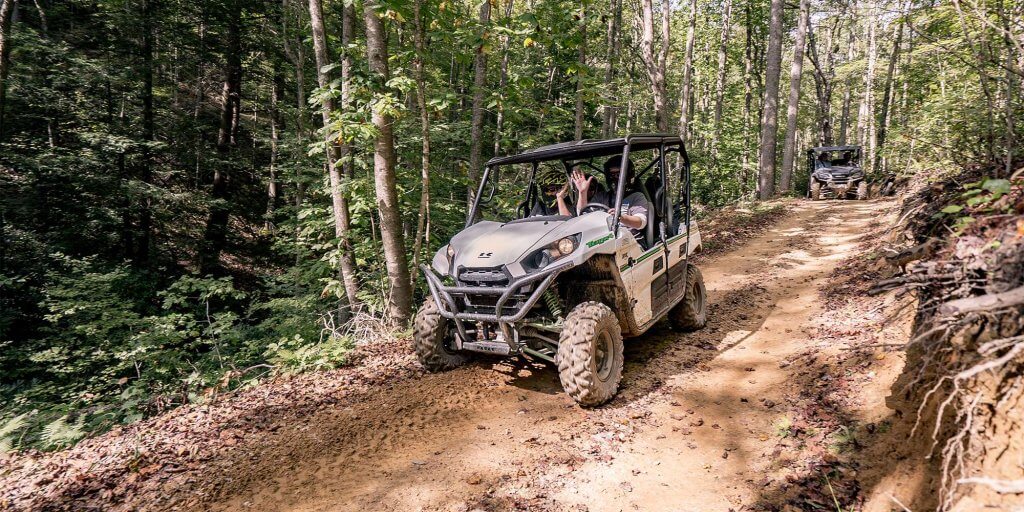
Think about it: a single 4×4 trail system can attract hundreds of enthusiasts each season. Add in guided rides, camping, and gear rentals, and suddenly that trail is supporting lodging, dining, and tourism tax revenue—all while keeping visitors spread across rural counties rather than concentrated in urban centers.
Other states have already seen this impact. West Virginia’s Hatfield–McCoy Trail system generates tens of millions annually for small Appalachian towns. Virginia’s potential is every bit as strong—especially with systems like Spearhead Trails, which already combine OHV, ATV, and multi-use routes under managed access.
VAOR’s vision builds on that foundation, focusing on education, ethics, and sustainability to make Virginia a model for responsible off-road tourism.
The Ripple Reaches Farther Than You Think
The economic impact doesn’t stop at small towns. Off-roading supports a broad supply chain—manufacturers, aftermarket parts distributors, tire companies, insurance agencies, and even digital mapping services like Mapbox.
Each of these industries benefits when Virginia off-roaders buy, build, and maintain vehicles suited for our terrain. Even public agencies gain—through increased tax revenue, volunteer labor that supplements maintenance budgets, and partnerships that offset the cost of trail restoration.
When VAOR members participate in a trail cleanup, they’re not just preserving the land—they’re helping preserve the livelihoods connected to it.
From Volunteers to Value
One of the most remarkable things about Virginia’s off-road economy is how much of it runs on volunteer energy.
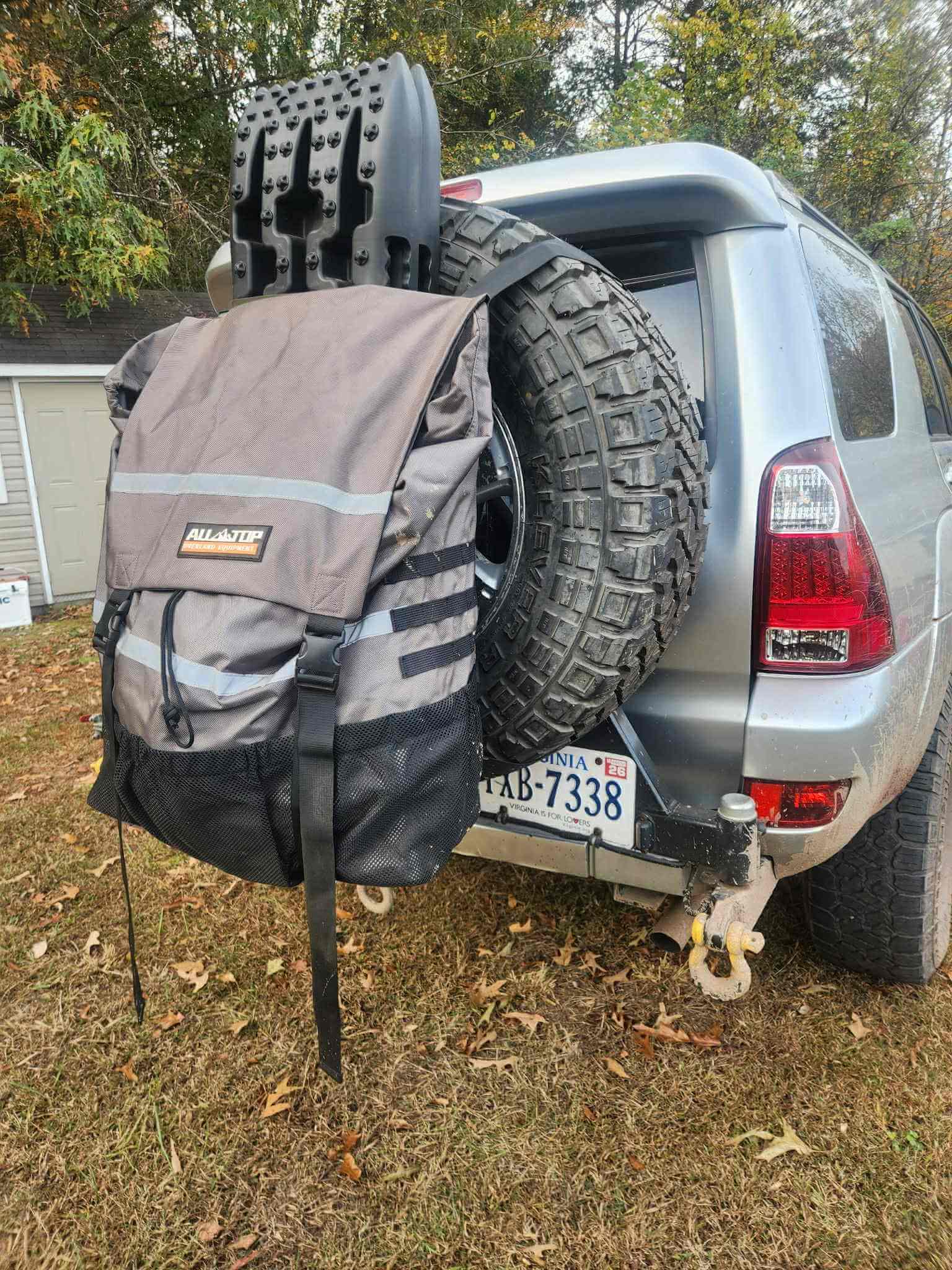
The Adopt-a-Trail Heroes who clear brush, the Trail to Recovery volunteers who donate time and fuel, the Off-Road Explorers instructors who teach kids about stewardship—all of them contribute tangible economic value that’s hard to measure in dollars but impossible to ignore.
In 2024 alone, VAOR volunteers logged hundreds of hours maintaining trails. Using standard nonprofit valuation, that labor equates to tens of thousands of dollars in community benefit—resources that would otherwise fall to public agencies.
This volunteer-driven model makes off-roading unique among outdoor recreation sectors. It’s not passive tourism—it’s participatory stewardship that doubles as economic development.
Corporate Partners: Investing with Purpose
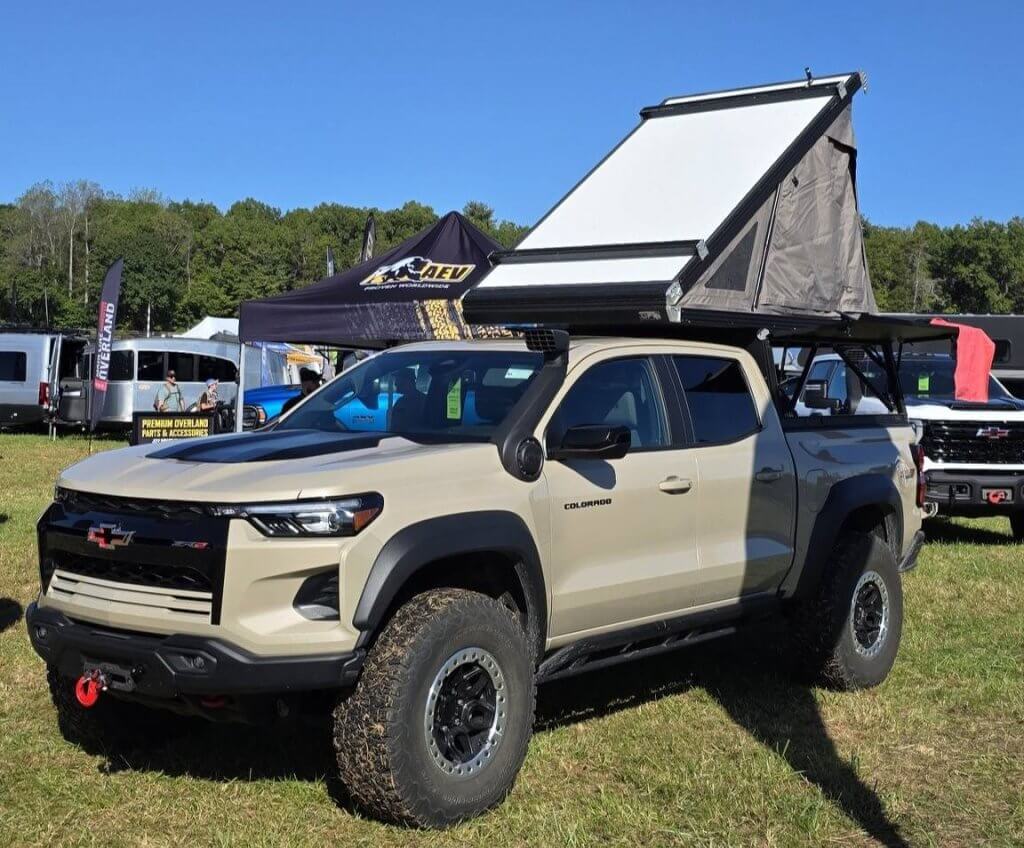
Businesses are starting to take notice. Regional auto dealerships like Southern Team Nissan and Subaru of Roanoke have begun exploring sponsorship opportunities tied to VAOR programs.
Why? Because they understand that when customers buy off-road vehicles, they’re not just buying transportation—they’re buying access to lifestyle and community.
Supporting nonprofits like VAOR aligns their brand with purpose-driven adventure and helps ensure that the very trails their customers dream of driving remain open.
It’s a partnership model that benefits everyone: drivers, dealers, and the environment.
The Off-Road License Plate
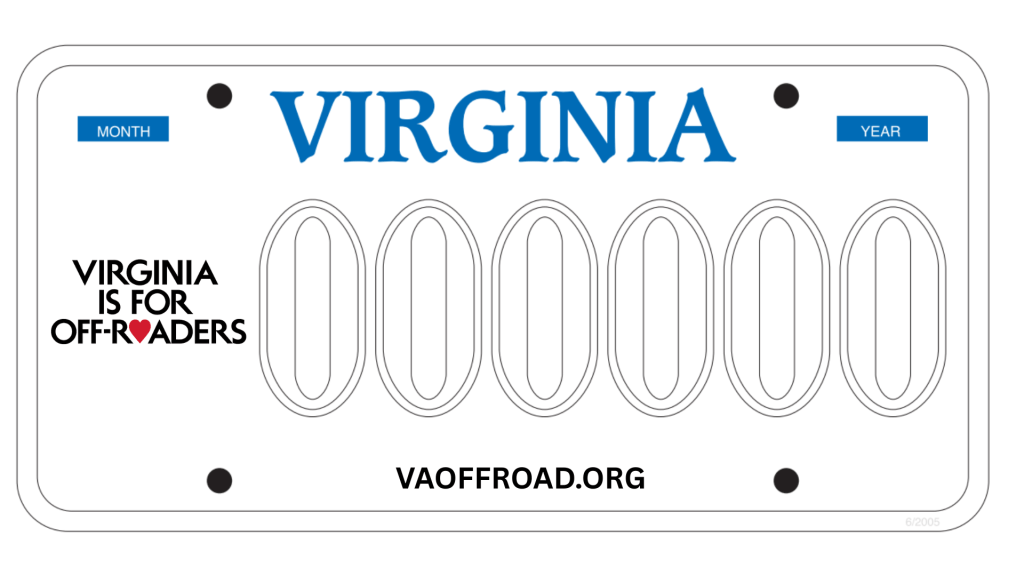
Another way off-roading is driving the economy forward is through advocacy projects like the upcoming “Virginia is for Off-Roaders” charitable license plate.
Once approved by the state, proceeds from every plate sold will funnel directly back into trail maintenance, education, and community programs.
It’s both a symbol and a solution, a visible way to show pride in Virginia’s off-road culture while fueling the nonprofit work that sustains it.
Every plate on the road represents awareness, funding, and a commitment to responsible recreation.
Balancing Growth with Responsibility
As the sport grows, so does the need for balance. Unchecked tourism or reckless riding can threaten the very resources that make off-roading appealing.
That’s why VAOR’s economic mission is built on three principles:
- Educate before you accelerate. A single trained driver causes less damage—and therefore less cost—than any regulation can fix afterward.
- Protect what pays back. Trails that stay healthy sustain the flow of visitors and income.
- Give locally. Donations to programs like VAOR, or direct purchases from Virginia businesses, keep profits in the communities that host our adventures.
The path to sustainable growth is paved with mindfulness, not mud.
A Broader Definition of Value
It’s easy to measure off-roading’s value in dollars and jobs, but the ripple effect extends beyond economics. It builds civic pride. It fosters stewardship. It strengthens community bonds across generations.
Families who explore together spend money together, but they also volunteer together. Veterans find purpose through Trail to Recovery. Youth in the Off-Road Explorers program learn service before speed.
Each of those outcomes has a social and emotional value that complements the financial one.
Off-roading, done right, doesn’t just enrich wallets, it enriches lives.
The Future of Virginia’s Off-Road Economy
Looking ahead, the numbers will only grow. New mapping technology, expanded trail networks, and increased visibility through VAOR’s outreach will continue to bring responsible drivers into the fold.
Meanwhile, state tourism initiatives are beginning to acknowledge off-roading as a legitimate contributor to Virginia’s outdoor recreation portfolio. That recognition opens doors for grants, infrastructure improvements, and cross-sector partnerships.
In time, Virginia could lead the East Coast as a model for balanced, community-powered off-road tourism—an industry that fuels both engines and economies.
How You Can Help the Economy Thrive
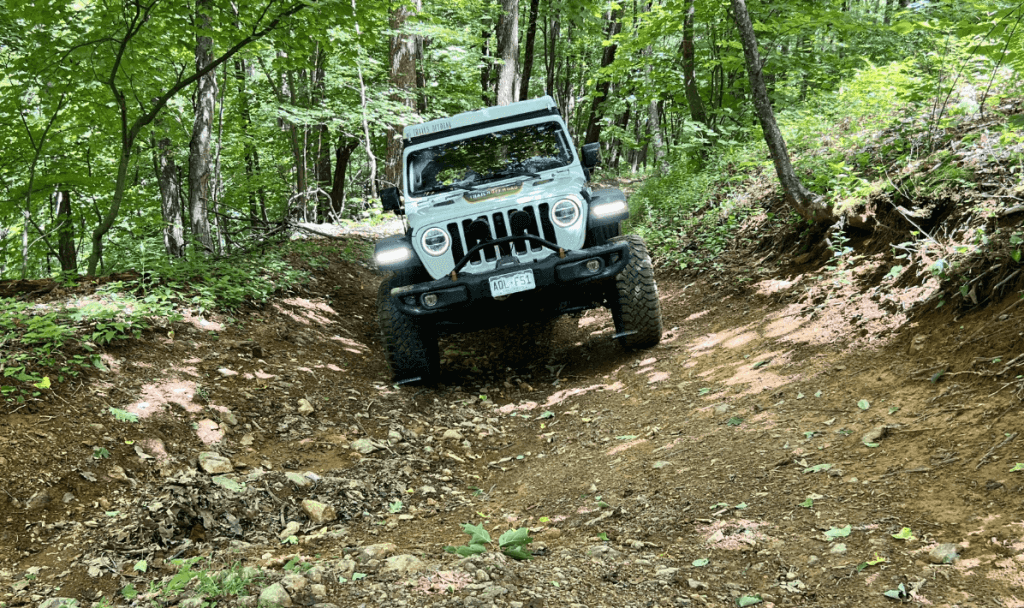
You don’t have to be an economist to make a difference. Every driver can contribute to this hidden economy by:
- Buying local. Support Virginia shops, outfitters, and guides.
- Donating to VAOR. Every dollar goes back into education and conservation.
- Volunteering. Adopt a trail, join a cleanup, or mentor a new driver.
- Promoting positive practices. Share responsible trail use tips online.
- Becoming a member. Membership fees directly fund programs that sustain access.
The formula is simple: when you support off-roading the right way, everyone benefits.
The Bottom Line
Virginia’s off-road scene may be built on adventure, but it runs on something far more practical—people. People who spend, serve, and steward.
From the mechanic who installs your winch to the café that serves your breakfast before a trail ride, off-roading’s economic footprint touches lives in ways that rarely make headlines but always make an impact.
Every tire track left responsibly, every volunteer hour logged, every dollar spent locally tells the same story:
Off-roading isn’t taking from Virginia—it’s giving back.
Join the Movement
If you believe in trails that stay open, communities that stay strong, and a future where adventure supports the economy instead of straining it, join us.
Become part of Virginia Off-Road’s growing network of members, partners, and trail adopters who are proving that the backroads can be both wild and worthwhile.
Because every trail you ride responsibly keeps a small business alive.
Every cleanup you join strengthens a community.
And every adventure you share tells the world that Virginia’s off-road economy isn’t hidden anymore—it’s thriving.

No responses yet