

Most trail mistakes in Virginia don’t come from bad intentions. They come from assumptions—about weather, terrain, vehicle capability, or how the day is supposed to go. Virginia’s trails are particularly good at exposing these assumptions because they rarely behave the same way twice. What worked last weekend might fail completely today, and drivers who expect consistency often find themselves unprepared.
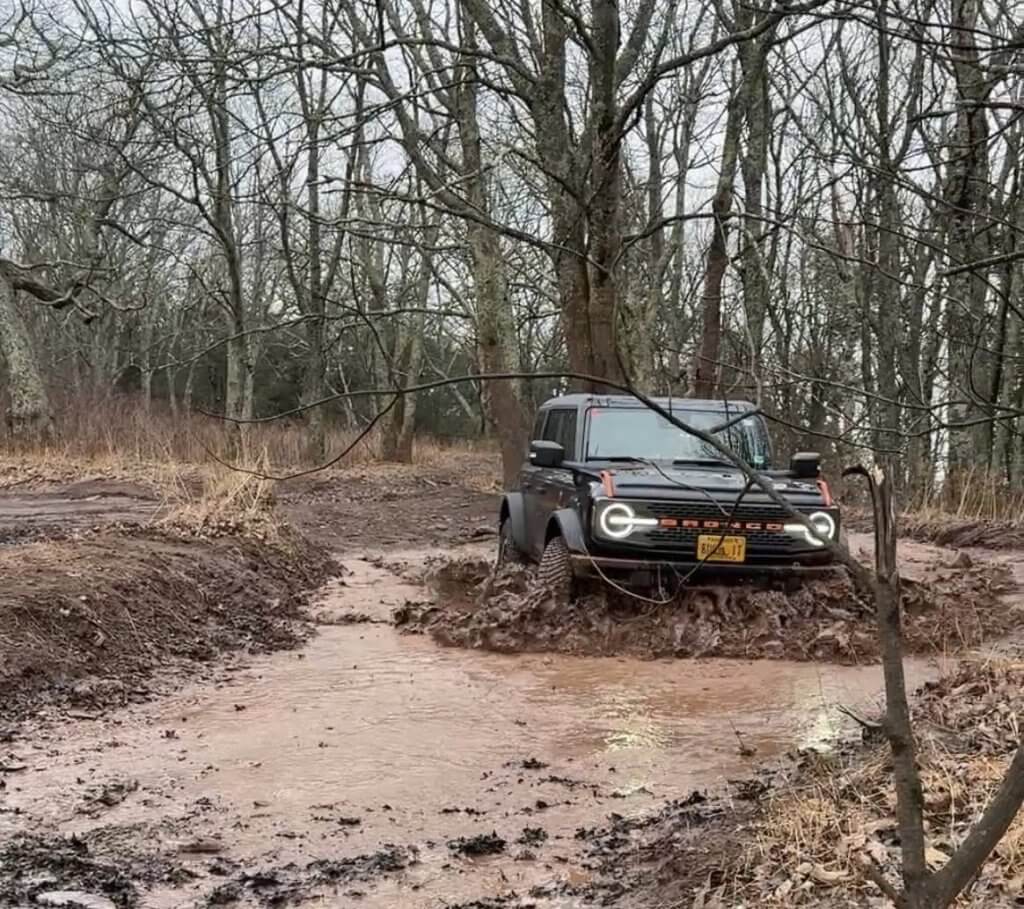
One of the most common mistakes is underestimating how quickly conditions can change. A trail that feels dry and manageable on the way in can turn slick, rutted, or unstable after a short rain. Virginia clay holds moisture and becomes unpredictable long after the rain stops. Drivers who commit to routes without planning an exit strategy sometimes realize too late that going forward is easier than going back, even when forward is no longer safe.
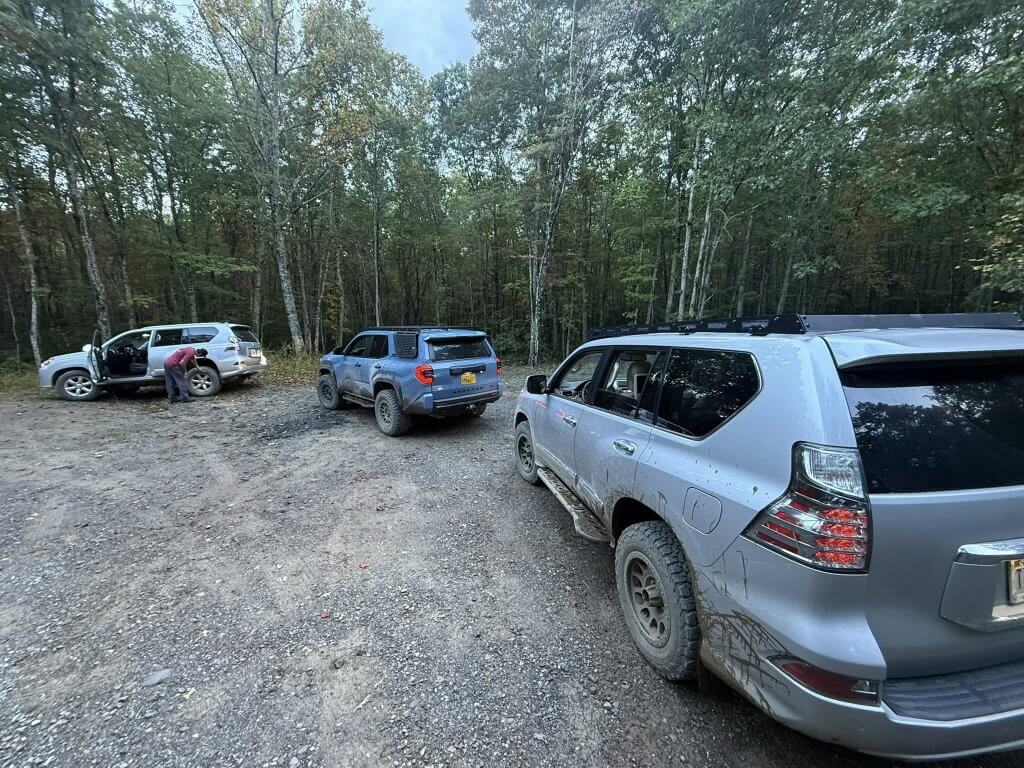
Another frequent issue is relying too heavily on vehicle modifications while overlooking fundamentals. Larger tires and traction aids help, but they don’t replace careful line selection or throttle control. In tight forest environments, a small positioning error can turn into body damage or trail damage. Taking time to spot, even on obstacles that seem simple, often prevents problems that horsepower cannot fix afterward.
Recovery-related mistakes are especially common, and they tend to compound quickly. Many drivers assume recoveries will be quick and straightforward, only to discover that Virginia terrain complicates everything. Trees are not always positioned where you need them. Mud offers little resistance for anchors. Slopes add risk that isn’t obvious at first glance. The mistake is rarely needing a recovery—it is failing to slow down, communicate, and reassess before attempting one.
Trail etiquette also plays a major role in avoidable issues. Blocking trails while troubleshooting, spinning tires excessively, or creating bypasses around obstacles can damage access for everyone. These actions often come from frustration rather than malice, but land managers see outcomes, not intent. Drivers who pause, work together, and minimize impact help preserve trails long after the day ends.
Poor preparation is another recurring theme. This doesn’t always mean lacking equipment. It often means not understanding what equipment is appropriate for Virginia conditions. A recovery strap without proper attachment points, a winch without recovery knowledge, or tires aired down without a plan for reinflation can all turn minor issues into major delays. Preparation in Virginia is as much about knowledge as it is about gear.
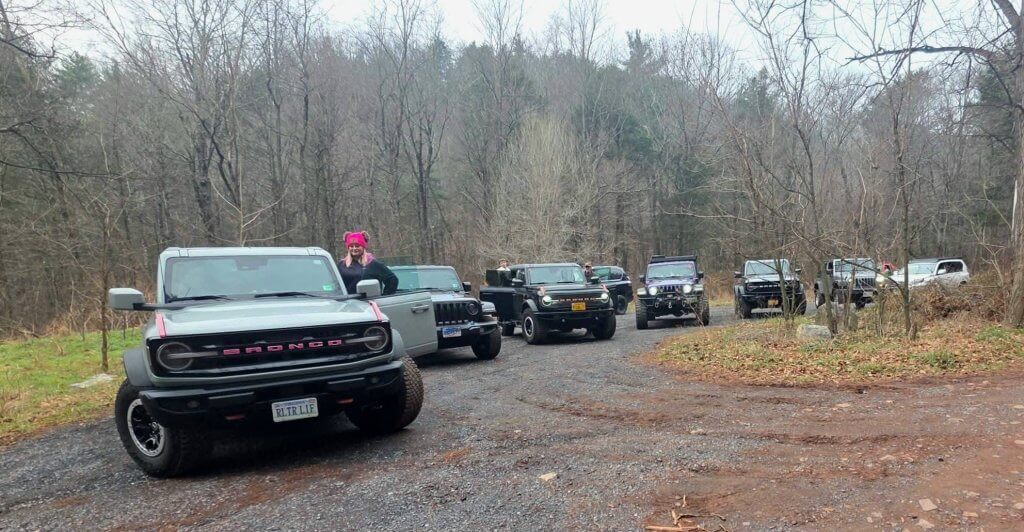
Group dynamics can introduce their own challenges. Newer drivers sometimes feel pressure to attempt obstacles they aren’t comfortable with, while more experienced drivers may forget that not everyone shares the same risk tolerance. Virginia trails reward communication and patience within groups. Setting expectations early and respecting individual limits often prevents mistakes that stem from rushed decisions or unspoken assumptions.
Navigation errors also show up more often than people expect. Trail intersections, forest road spurs, and seasonal closures can create confusion. Following tracks without understanding where they lead sometimes results in dead ends or restricted areas. Taking time to confirm routes, rather than assuming familiarity, reduces stress and prevents unnecessary backtracking.
What ties these mistakes together is not lack of skill, but lack of awareness. Virginia off-roading demands attention to detail, from terrain changes to group dynamics. Drivers who approach each trail as a unique experience rather than a checklist item tend to make fewer mistakes and enjoy the day more.
Avoiding these common issues doesn’t require perfection. It requires humility, communication, and a willingness to adapt. Slowing down, asking questions, and reassessing plans mid-trail are not signs of inexperience. In Virginia, they are signs of maturity as a driver.
Every mistake carries a lesson, and Virginia’s trails are effective teachers. Those who listen early often avoid learning the same lesson repeatedly. Over time, the focus shifts away from proving capability and toward preserving access, supporting fellow drivers, and enjoying the experience for what it is. That shift is what keeps Virginia off-roading sustainable, welcoming, and rewarding for everyone involved.

No responses yet